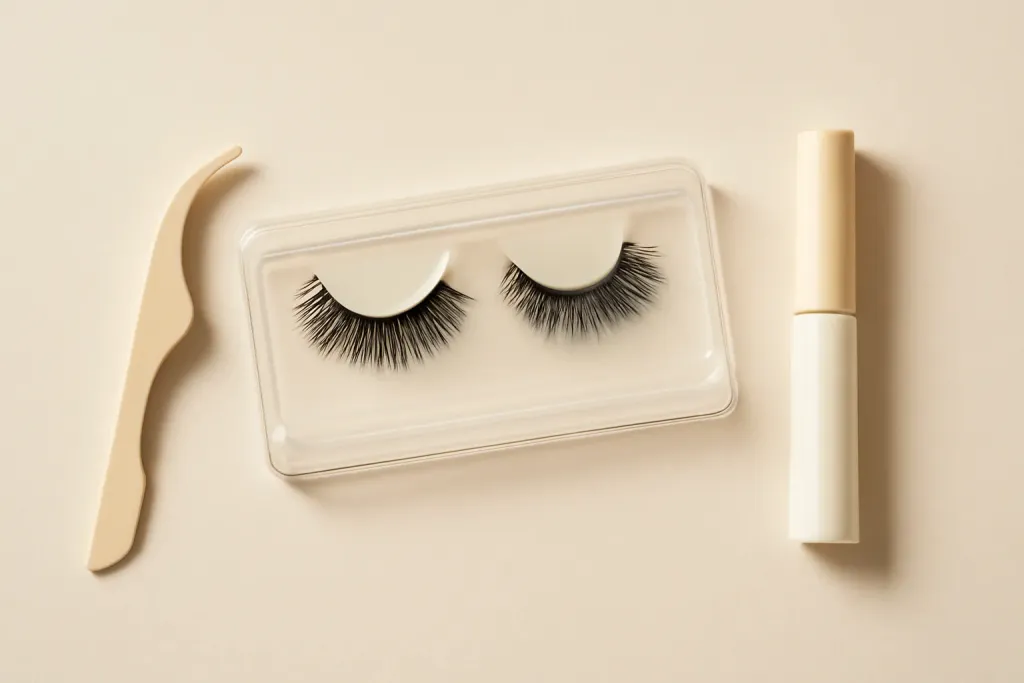
What “false lashes for teens” means
When shoppers search for false lashes for teens, they are usually looking for a temporary beauty add-on that looks polished without feeling heavy or overly grown-up. For teens, the best choice is often about balance: a little length, a soft lift, or modest fullness that still looks believable in everyday settings.
That usually points to temporary strip lashes, half lashes, or small accent styles rather than dense, extra-long designs. The goal is not to transform the eye completely. It is to add definition in a way that feels comfortable, age-appropriate, and easy to wear with simple makeup or even on its own.
There is no single style that works for every teen. Eye shape, personal taste, and comfort all matter. Still, the basic idea stays the same: start subtle, keep the look flexible, and choose lashes that complement natural features instead of overpowering them.
How to choose age-appropriate styles
The most age-appropriate false lashes for teens usually resemble the natural lash line rather than a stage look. Wispy patterns, shorter lengths, and styles that taper at the corners tend to feel softer than thick, uniform bands. A lighter design can add interest without making the lashes the main event.
Band construction matters too. Flexible, lightweight bands are often easier for beginners to handle and can sit more naturally along the lash line. Some people prefer a clear band for a subtle finish, while others like a thin black band that blends more easily if eyeliner is part of the routine. Either can work as long as the overall effect stays restrained.
Length is worth checking closely. If a lash looks long and dramatic in the package, it may be too bold for a first try. Many teens do better with styles that add soft definition rather than obvious volume. It is usually easier to build up to a fuller look later than to try to tone down something that feels too strong from the start.
Setting also matters. A very natural pair can work well for school events, family gatherings, or casual outings, while a slightly fuller style may fit a party or special occasion. The most useful question is not what teens are “allowed” to wear, but what looks and feels appropriate for the moment.
Best beginner types
For first-time users, simple styles are usually the smartest choice. Small accent lashes at the outer corners can be a gentle introduction because they add lift without changing the whole eye. They are also easier to place than a full strip, which makes them useful for someone still learning how to line up and balance lashes.
Natural strip lashes are another good starting point. These typically follow the full lash line but use shorter fibers and lighter density. They create a finished look without leaning too dramatic. If a teen wants a softer result, wispy or feathered styles often blend in better than blunt, dense designs.
Half lashes can also be a practical option. Because they cover less of the eye, they may feel less intense than a full strip while still giving a noticeable lift. The main advantage of any beginner-friendly style is ease: it should be manageable to hold, place, remove, and wear without fuss.
Very thick, layered, or extra-long lashes are usually not the best first pick. They can be harder to apply neatly and may feel distracting once on. A beginner pair should look like a small enhancement, not a complete makeover.
Application basics for a cleaner look
A neat application starts with fit. Before using glue, check whether the strip matches the eye length. If it is too wide, trimming a small amount from the outer end can help the lash sit better and look more natural. A good fit often matters more than the style itself.
Apply adhesive to the band, following the package directions carefully. Letting the glue become tacky before placement can make the lash easier to control. Beginners often find it helpful to use tweezers or a lash applicator, though good lighting and patience are just as important.
Place the strip as close to the natural lash line as possible without pinching the skin. Starting in the center and then pressing down the inner and outer corners can help the lash sit evenly. If the placement looks crooked, lifting and resetting it is usually better than trying to push it into place.
A light coat of mascara on the natural lashes first can help blend the look, but too much product can make the result clumpy. Clean placement and a restrained hand usually create a more believable finish than layering on extra makeup.
Browse our recommended products
Our featured picks refresh periodically. While we update them, our editorial guides can help you find the right pick.
See our guides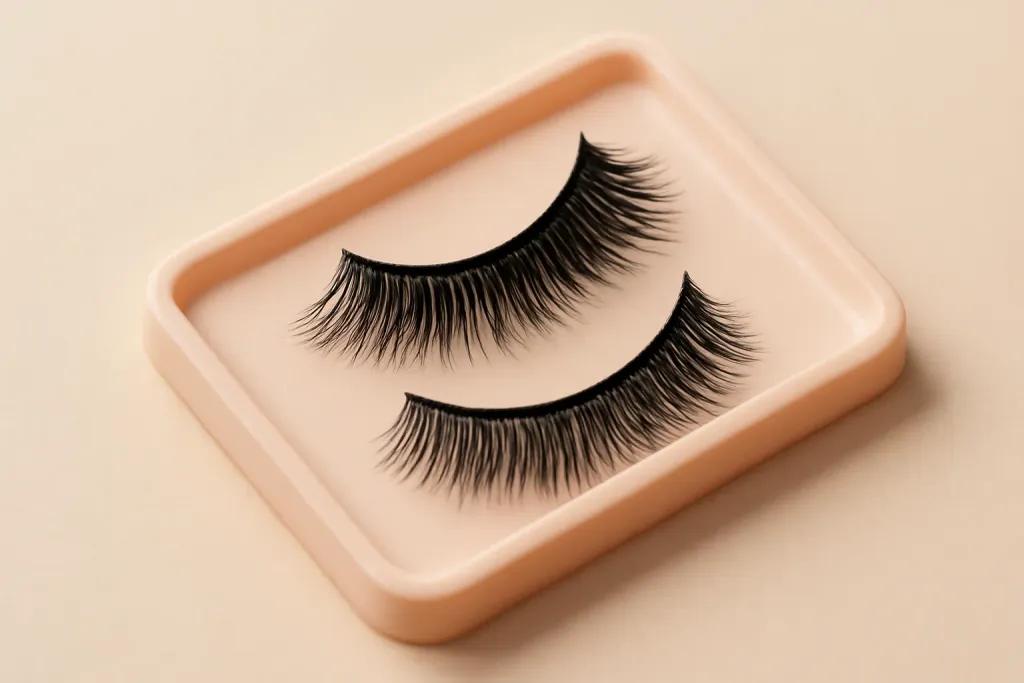
Comfort and safety matters
Comfort should come first. A lash should feel secure, but it should not sting, tug, or scratch. If the band feels stiff, the strip may not be the right shape, or the adhesive may be too close to the skin. Taking the lashes off is the better choice if they feel uncomfortable.
Carefully read the label on both adhesive and remover, and use products only as directed for the eye area. If instructions mention patch-testing, that can be a helpful precaution for anyone with sensitive skin. Teens should also avoid sharing lashes, glue, or applicators, since that can spread germs.
Keep the eye area clean before and after wear. Oil, leftover makeup, and dirt can affect how lashes sit and can make removal messier. Clean skin usually helps the product perform better and makes the experience easier to manage.
If irritation continues after the lashes are removed, or if there is pain, swelling, or ongoing redness, stop using the product and seek professional care. Temporary lashes are meant to be a cosmetic option, not something that should cause persistent discomfort.
How to make them look natural
The easiest way to keep lashes teen-appropriate is to match them to the rest of the makeup. Soft brows, a little mascara, and neutral eye color can help the lashes look like part of the whole face rather than a separate feature. When everything is balanced, the result feels more effortless.
Trimming the band to fit properly is one of the simplest ways to improve the finish. A strip that is too long can lift at the corners or poke the eye, which makes it look obvious. A better-fitting lash usually sits flatter and blends more smoothly.
Shape matters too. Lashes that are longest in the center can create a doll-like effect, while styles that gradually lengthen toward the outer corner often look softer. Some teens like a subtle lifted effect, but it is usually best to keep it understated. The idea is to look polished, not exaggerated.
If the lashes seem too dramatic once they are on, that is often a sign to switch to a lighter style. There is no need to make a bold pair work just because it was bought. A more natural option can change the whole look.
Removal and aftercare
Gentle removal matters just as much as careful application. Follow the product instructions, and loosen the lash slowly rather than pulling it off in a rush. Starting at the outer corner is often easier than yanking straight away, and it helps protect the natural lashes.
After removal, clean any leftover adhesive from the eyelid and, if the lashes are reusable, from the strip itself. Use the remover or cleaning method recommended by the package, and avoid getting product into the eye. Once the area is clear, cleanse the skin as directed.
If the natural lashes feel stressed, give them a break. Temporary false lashes are best used occasionally and handled gently. Reusable lashes also last longer when stored clean, dry, and free of makeup buildup.
If a lash pair or remover keeps causing discomfort, stop using it. Persistent irritation is a sign to move on rather than trying to force the product to work.
Shopping tips for parents and teens
When shopping for false lashes for teens, read the package details carefully. Product photos can be misleading, so focus on the description of length, density, band type, and whether the style is natural, wispy, or dramatic. For younger wearers, lighter and simpler usually makes the most sense.
It is also smart to check whether adhesive and remover are included or sold separately, and whether the lashes are intended for temporary use. Clear directions can be a good sign that a beginner will be able to manage the product more easily.
Starting with one or two subtle pairs is often better than buying a large set of dramatic styles. That gives a teen room to practice fitting, trimming, and removal without feeling overwhelmed. If a style works well, it is easy to branch out later; if it does not, the experience still helps narrow down what feels right.
Above all, the best choice should feel like a simple accessory, not a beauty requirement. Temporary lashes can be a fun way to explore makeup, but age-appropriate styles are usually the ones that are easy to wear, easy to remove, and comfortable in real life.