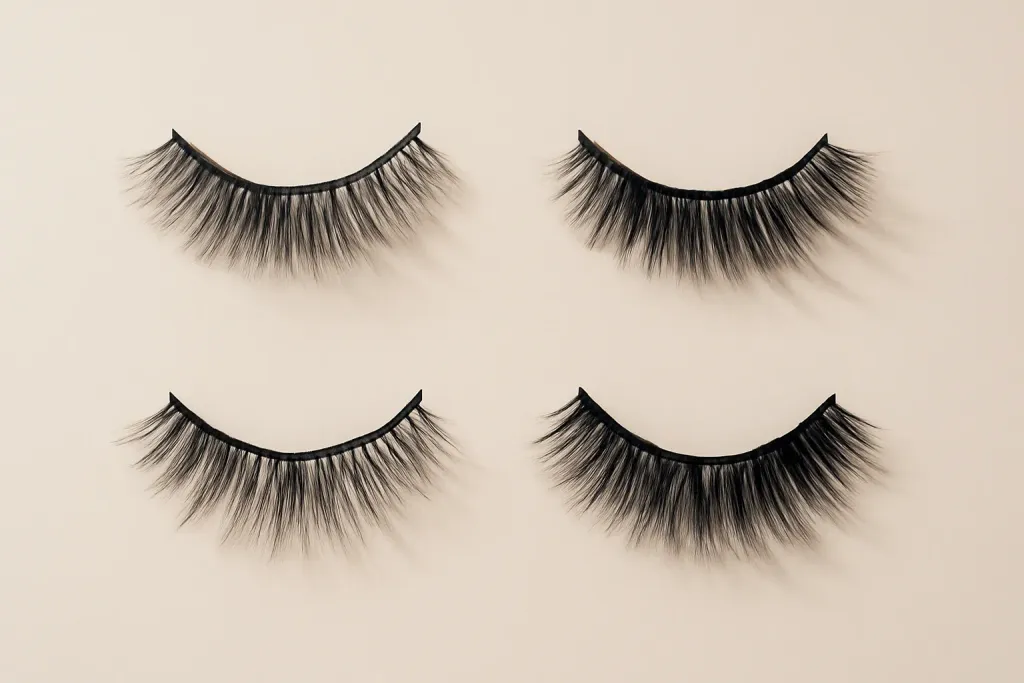
Cluster Lash Styles by Eye Shape: The Basics
When shoppers search for cluster lash styles by eye shape, they are usually trying to solve one thing: how to make temporary false lashes look flattering without overpowering their natural features. Cluster lashes are useful because they let you place small groups where you want lift, fullness, or definition. That flexibility matters, since the same lash map can look airy on one person and too heavy on another.
The simplest way to think about cluster lashes is balance. Some eyes look best when the outer corners are slightly extended. Others benefit from more emphasis in the center to create a brighter, rounder look. Some need a lighter touch at the inner and outer edges so the eye area does not feel crowded. Instead of chasing one universal pattern, it helps to match placement to your shape and the effect you want.
Cluster lashes also let you control density. If you want a subtle everyday finish, use fewer clusters and keep them closer to the middle. If you want a more polished look, build coverage in small sections. The key is to avoid placing the heaviest pieces in a way that works against your eye shape. A little planning can make temporary false lashes look more intentional and easier to wear.
Almond Eyes: Enhance the Natural Balance
Almond eyes are often the easiest shape to style because the eye naturally tapers at the inner and outer corners. That makes them versatile, but the goal is usually to enhance rather than change the shape. Most cluster lash styles can work well here if the placement stays soft and balanced.
A gently graduated map is usually flattering. Try shorter clusters near the inner corner, slightly longer pieces through the center, and a subtle taper toward the outer edge. This keeps the eye lifted without dragging it too far sideways. If you like more definition, a soft outer-corner emphasis can add a winged effect. If you want a brighter look, placing the fullest section near the center can make the eyes seem more open without changing their natural proportion.
It helps to avoid making the outer corner too dense. Too much volume there can exaggerate the horizontal line and make the eye look stretched. Light to medium density usually looks polished and easy to wear. For anyone comparing cluster lash styles by eye shape, almond eyes are one of the most flexible shapes because small changes in placement create a noticeable but refined difference.
Round Eyes: Add Length Without Losing Openness
Round eyes often show more visible lid space and tend to read as naturally open. With cluster lashes, the challenge is to add shape without making the eye look smaller or too circular. A style that gently stretches the eye outward is usually a better fit than one that puts the heaviest volume in the center.
A soft winged map works well for many round eyes. Start with shorter clusters near the inner corner, move to medium lengths through the middle, and finish with slightly longer pieces toward the outer edge. The change should feel gradual, not sharp. This creates a lengthened shape while keeping the lashes light enough to preserve openness. If your outer corner is already strong, you may only need a small increase there.
Try to avoid an overly center-heavy arrangement. Lots of volume in the middle can make the eye appear even rounder. Think of cluster placement as a framing tool: a bit more extension on the outer third can refine the shape, while keeping the inner corner understated helps prevent a crowded look. For shoppers exploring cluster lash styles by eye shape, round eyes often benefit most from directional flow.
Hooded Eyes: Keep the Lash Line Lifted and Light
Hooded eyes have a lid space that is partly covered when the eyes are open, so lash styling changes how visible the final result is. If the clusters are too thick or too long, they can hide the lid area and look heavier than intended. A lifted, breathable placement is often the better choice.
Short to medium clusters can help the eyes look more open. Rather than building all the fullness into one dense band, many people prefer placing clusters so the inner and outer corners stay a little lighter. That keeps the style from feeling crowded. A gentle increase in length toward the outer half often works well, especially when the longest pieces are not too dramatic.
Direction matters too. Clusters that point upward can create the impression of lift, which is helpful when the lid folds over part of the lash line. Keeping the inner corner lighter avoids a heavy front. If you want more impact, add a few extra clusters in the center or just past the center instead of packing the outer corner with very dense pieces. Hooded eyes vary a lot, so the best cluster lash styles by eye shape are usually the ones that can be adjusted in small steps.
Browse our recommended products
Our featured picks refresh periodically. While we update them, our editorial guides can help you find the right pick.
See our guides
Monolid Eyes: Create Dimension with Careful Placement
Monolid eyes usually have little to no visible crease, which makes placement especially important. The aim is often to create dimension and shape without overwhelming the lid. Cluster lashes are helpful here because you can build detail in selected areas instead of relying on one uniform strip-like effect.
A balanced approach often works best. Start with shorter clusters in the inner corner, use medium lengths across the middle, and reserve the longest pieces for a controlled lift near the outer third. This creates a tailored look that adds depth while keeping the lashes from sitting too low on the eye. If the style is too heavy across the whole line, it can hide the lid and make the eye look weighed down.
Many people with monolid eyes prefer a slight upward emphasis at the outer corner, but restraint matters. A subtle wing can define the eye nicely, while too much length at the very edge can pull the shape outward too aggressively. It is often better to use a few well-placed clusters than to create a dense block of lashes. For those comparing cluster lash styles by eye shape, monolid eyes show how much spacing, length, and density can change the final effect.
Upturned and Downturned Eyes: Adjust the Direction of Lift
Upturned and downturned eyes both benefit from thoughtful lash direction, but in different ways. Upturned eyes naturally lift at the outer corner, so the goal is often to keep the lashes elegant without exaggerating that tilt. Downturned eyes, by contrast, may look more balanced with a style that adds lift near the outer half and avoids dragging the eye downward.
For upturned eyes, a soft, even lash map is usually flattering. Keep the longest clusters near the center or just before the outer corner so the shape does not become overly winged. This preserves the natural lift while adding polish. If the outer edge is too long, it can create a pointed effect that feels stronger than needed.
For downturned eyes, a more uplifting pattern is often helpful. Shorter clusters near the inner corner and a gentle rise through the outer third can create a lifted impression. The outermost pieces should support the upward effect rather than pull the gaze down. A few strategic clusters can make a noticeable difference without requiring a dramatic look. In both cases, the best cluster lash styles by eye shape usually follow the natural line of the eye instead of forcing a major change.
Close-Set and Wide-Set Eyes: Balance the Proportion
Cluster lashes can also help visually balance the spacing between the eyes. With close-set eyes, the aim is often to make the eye area feel a little more open and spacious. With wide-set eyes, the goal may be to draw the eyes slightly inward so the face looks more centered. In both cases, placement matters more than piling on extra volume everywhere.
For close-set eyes, keep the inner corners lighter and start the fuller part of the lashes slightly farther out. That reduces crowding near the bridge of the nose and gives the eye area a cleaner frame. A soft outer emphasis can still be flattering, but it is usually best not to make the inner half too dense.
For wide-set eyes, concentrate a little more of the lash interest toward the center. Medium-length clusters through the middle can bring focus inward and create a more connected appearance. Very sparse inner corners can make the eyes seem even farther apart, so a balanced fill often works better than a dramatic wing. This is where cluster lash styles by eye shape become especially useful, because you can tailor the visual balance instead of relying on a fixed pattern that may not suit your features.
Choosing the Right Finish: Natural or Bold
Once you know your eye shape, the next step is deciding how noticeable you want the lashes to be. Cluster lashes can look soft and understated or fuller and more statement-making, depending on how many pieces you use and where you place them. For a natural finish, choose shorter clusters, leave a little breathing room between groups, and keep the pattern simple. For a bolder finish, build density in a controlled way rather than putting the same amount of volume across the entire eye.
It helps to test your layout in stages. Begin with a small number of clusters and step back to see whether the shape complements your eye. If needed, add one or two more pieces where the eye seems to need lift or balance. This method reduces the chance of making the lash line look too heavy and makes it easier to adjust for different occasions.
Comfort and fit matter too. Temporary false lashes should feel secure without pinching or irritating the eye area. If the lashes feel uncomfortable, poke the lid, or cause ongoing redness or pain, remove them and seek professional care if the irritation persists. The best result is not just attractive; it is also easy enough to wear with confidence.