What Makes False Lashes for Monolids Different
False lashes for monolids need a slightly different approach than styles made for more visible crease shapes. With a monolid, the eyelid has less of a natural fold, so the lash band can sit closer to the lid and may be more likely to feel heavy or disappear when the eye is open. The goal is not just to add length, but to choose a shape that remains visible, feels comfortable, and does not fight the eye shape.
That is why the best false lashes for monolids usually have a light-to-medium band, a balanced curl, and a shape that opens the eye without overwhelming it. Many people with monolids also find that lashes with a stronger lift at the outer edge create a flattering effect, while very dense, full-strip styles can sometimes look crowded. Instead of focusing only on drama, it helps to think about placement, band flexibility, and how the lash looks from the front as well as the side.
Another reason style matters is that monolids often benefit from lashes that are visible above the lash line when the eyes are open. A lash that looks gorgeous in the package may still get hidden if it is too straight or too long in the wrong places. The right pair should complement the lid shape, not compete with it.
Best Lash Shapes to Look For
When shopping for false lashes for monolids, shape is often more important than sheer volume. A soft cat-eye can work well if you want extra lift at the outer corners, but a very sharp taper may pull the eye downward if the outer ends are too heavy. For many monolids, a rounded or subtly winged style gives a more open look because it adds definition across the center of the eye.
Fluttery, wispy lashes are often a strong choice because they create dimension without forming one solid dark block. The gaps between clusters or fibers help the lashes stay visible against the lid, which can make the eyes look brighter and more lifted. If you like a bolder finish, look for styles with graduated lengths that build toward the center or a soft outer lift rather than extreme density all the way across.
Half lashes and accent styles can also be very useful for monolids. They let you place emphasis where you want it most, often at the outer edge or the center of the eye, without adding too much bulk. These styles can feel easier to control, especially if you are still learning how lashes sit on your lid.
- Rounded styles: good for a wide-awake effect.
- Soft cat-eye styles: helpful for subtle lift.
- Wispy styles: easier to see on the lid.
- Accent or half lashes: useful for targeted definition.
Band Type and Comfort
Band type can make or break false lashes for monolids. A band that is too stiff may resist the curve of the eye and lift away at the inner or outer corners. That can be especially noticeable on monolids, where the lid shape offers less fold to help tuck the band into place. A flexible band usually sits more naturally and is often easier to adjust to the eye.
Many shoppers prefer a thin band because it tends to look lighter and can be easier to hide with eyeliner. Others may like a slightly thicker band if they want extra structure, but the tradeoff is that the lash can feel more noticeable. If you are looking for a natural finish, a clear or slim band can help the lashes blend in. If you want a more polished glam effect, a defined band can still work, as long as it is not overly rigid.
Comfort also depends on how much lash material is packed onto the strip. A dense strip can feel heavy over time, especially if the style is long or very full. The best false lashes for monolids are usually the ones that give lift and visibility without creating unnecessary weight. If a pair feels awkward the first time you place it, it may be worth trying a different band style before deciding the shape itself is not for you.
How to Apply False Lashes for Monolids
Applying false lashes for monolids is often easier when you work in small steps. Start by checking the length of the strip against your eye and trimming from the outer edge if needed. A shorter lash band usually sits better and helps prevent the inner corner from poking. It can also improve comfort for people whose lids are more compact.
Before applying glue, gently bend the lash band into a slight curve so it matches the natural shape of your eye. This simple step can make a big difference because a pre-shaped lash is less likely to spring away from the lid. Apply adhesive sparingly along the band, then wait until it becomes tacky before placement. A tacky glue line often gives you more control and helps the strip settle where you want it.
When placing the lash, many people find it easiest to anchor the center first and then adjust the inner and outer corners. For monolids, positioning matters: the strip should sit close to the natural lash line without feeling too high on the lid. If you use eyeliner, it can help disguise the band and create a smoother transition from real lashes to false ones. A small lash curler, a light coat of mascara on your own lashes before application, or a final press after the glue sets can also help blend the look.
- Measure and trim the strip if needed.
- Curve the band gently before glue.
- Apply adhesive and let it become tacky.
- Place the center first, then adjust corners.
- Blend with eyeliner or a light mascara step if desired.
Browse our recommended products
Our featured picks refresh periodically. While we update them, our editorial guides can help you find the right pick.
See our guides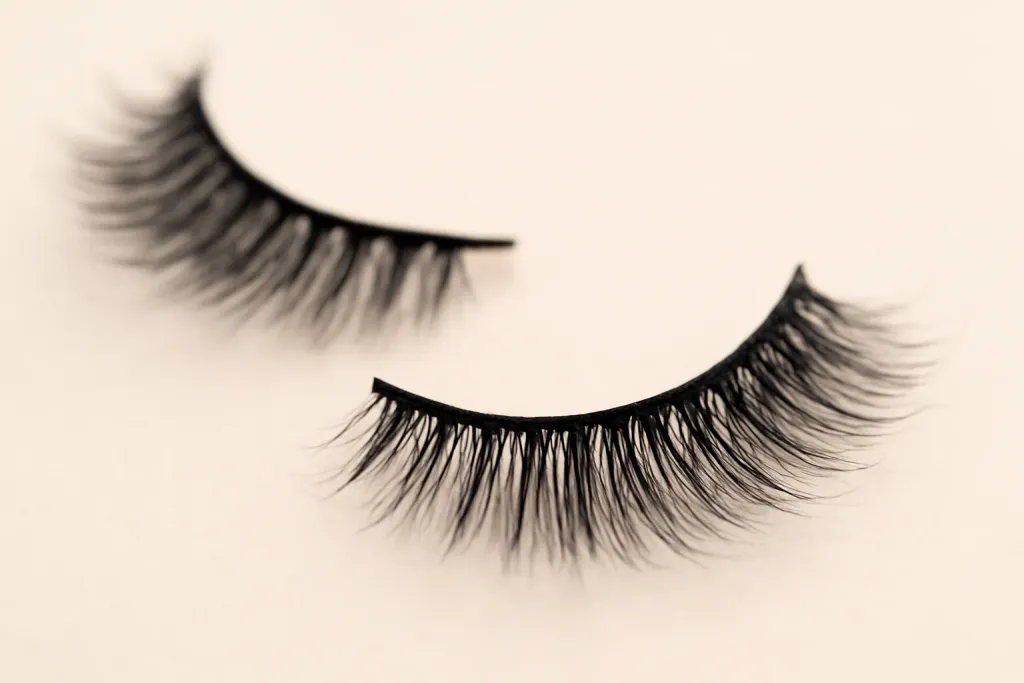
Styles That Suit Different Looks
Not every monolid look needs the same kind of lash. If you want a barely-there finish, choose short, feathery lashes with separation between fibers. These can add a soft shadow to the lash line without dominating the eye. For day-to-day wear, natural-looking false lashes for monolids often work best when they enhance the shape of the eye rather than change it dramatically.
If your goal is a more noticeable makeup look, try medium-density lashes with a soft flare at the outer corners. This kind of design adds lift while still leaving some space around the eye. It can be a good middle ground for people who want something more visible than a natural lash but not as heavy as a full glam strip.
For a night-out effect, bolder false lashes can work too, but it helps to look for styles that stay airy rather than overly solid. A full, thick strip may hide the lid and make the eye appear smaller, while a layered or wispy style can keep the eye looking open. If you prefer a graphic liner or shadow look, lashes with a defined band may fit better because they create a stronger frame. If your makeup is softer, fluttery lashes usually blend more easily.
Common Fit Problems and Easy Fixes
One of the most common issues with false lashes for monolids is the strip lifting at the inner corner. This usually happens when the lash is too long for the eye or the band is too straight. Trimming a little more from the outer edge, bending the band before application, or choosing a softer strip can help. If the inner corner still bothers you, it may simply be a shape mismatch rather than a placement mistake.
Another frequent problem is lashes looking too heavy once applied. On a monolid, a lash that seems attractive in the tray can feel overpowering on the eye. If that happens, try a lighter density or a shorter length rather than assuming you need to get used to it. The right pair should enhance your features, not make your lid feel crowded.
Some people also notice that the lashes sit too low and seem to vanish when their eyes are open. In that case, a more lifted curl or a style with longer fibers through the center may help. The point is to create visible shape above the lid. If the strip itself is good but the placement feels tricky, use a mirror held slightly below eye level so you can see exactly where the band lands along the lash line.
If a lash causes ongoing irritation, pain, or redness that does not settle, stop using it and seek professional care. Temporary discomfort from a product is one thing; persistent symptoms deserve attention.
Choosing Lashes by Material and Reusable Care
Material can affect both the look and feel of false lashes for monolids. Synthetic fibers often give a more uniform finish and can look crisp, while softer fiber blends may create a more airy effect. Since monolids often benefit from visible texture, styles that are not too flat can be especially appealing. The best choice depends on whether you want a polished, sleek look or a softer, more feathery finish.
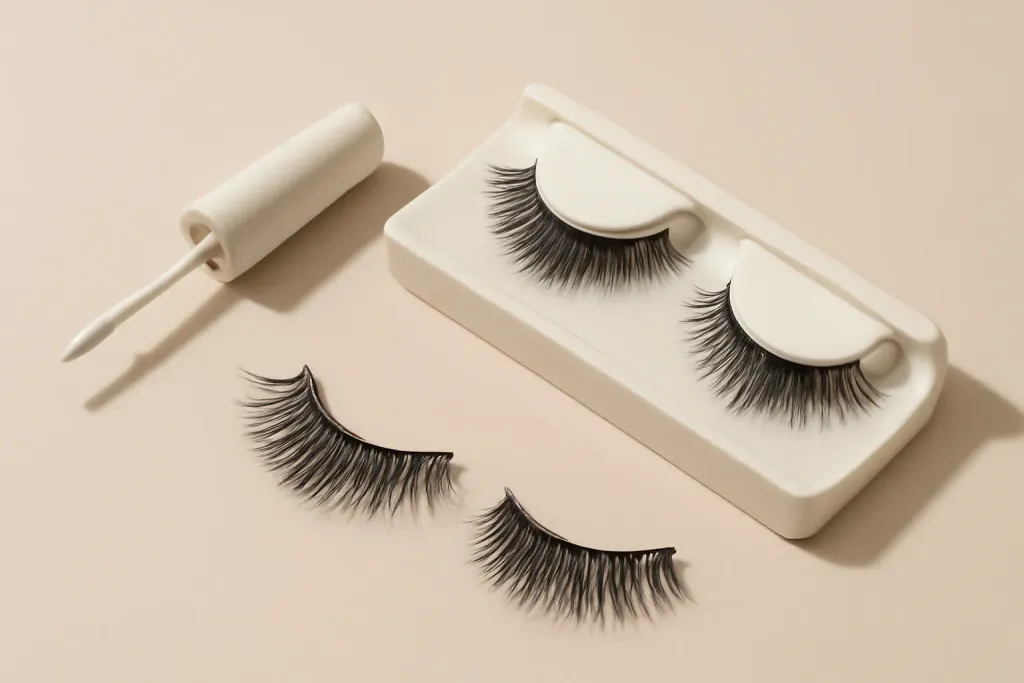
Reusable care matters as well. Temporary false lashes can often be worn more than once if they are handled carefully, but the exact number of uses will vary based on the style, adhesive, and how gently you remove them. After wearing, peel away leftover glue from the band and store the lashes in their tray or case so they keep their curve. Avoid soaking the lashes, which can weaken the band or distort the fibers.
When shopping online, it helps to look at product photos that show the lashes on eyes similar to yours, but remember that every eye shape is different. Read the style description closely and look for clues such as wispy, rounded, short, accent, or flexible band. Those details are usually more helpful than a dramatic product image when you are trying to find false lashes for monolids that actually fit the eye.
A Simple Shopping Checklist
If you are narrowing down options, a simple checklist can save time. Start with shape: decide whether you want rounded, soft cat-eye, or half-lash styling. Next, think about band type and whether you prefer a thin, flexible strip or something more structured. Then check density and length so the lash will complement your lid rather than cover it.
It also helps to think about your usual makeup style. A minimal look usually pairs well with short, wispy lashes, while a defined eyeliner look can support a more dramatic strip. If you wear glasses, a lighter lash with good lift may be more practical than a very long style. And if you are new to false lashes for monolids, starting with an accent pair can make the learning curve feel easier.
The best result is not about choosing the boldest lash on the shelf. It is about finding a style that lifts, shows up clearly, and stays comfortable enough that you actually want to wear it again.