What Half Lashes Do for an Outer-Corner Lift
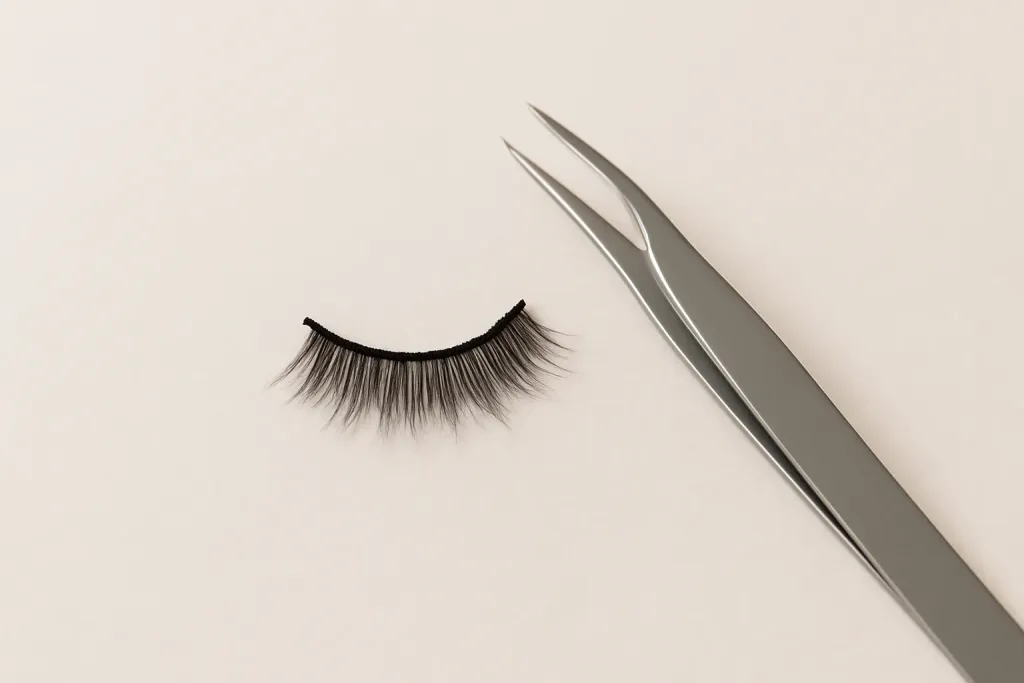
Half lashes are shorter strip lashes designed to sit only on the outer half of the lash line, which makes them a natural fit for an easy outer-corner lift. Instead of changing the entire eye shape, they concentrate the visual effect where many people want it most: the outer edges. That can make the eyes look slightly elongated, more lifted, and a little more defined without the full drama of a complete strip.
If your goal is a softer enhancement, half lashes can be appealing because they tend to blend into your own lashes more subtly than a full strip. They can also feel less visually heavy, especially if you prefer everyday makeup that still looks polished. The outer-corner focus works well with simple liner, a touch of mascara, or a clean bare-lid look, depending on how much definition you want.
For shoppers searching for half lashes outer corner lift, the main idea is balance. You want enough length or curl at the outside to draw the eye upward, but not so much that the lash looks detached from your natural line. Choosing the right style and placement matters just as much as choosing the lash itself.
Who They Work Best For
Half lashes are a smart option if you want a lifted effect without committing to a full strip across the entire eye. They can be especially useful for people whose eyes already have a naturally almond shape, since the outer-corner emphasis can complement that shape nicely. They can also work well for round eyes when the goal is to visually stretch the outer edge a bit more.
If full strips often feel too much for your features, half lashes may be easier to wear. They can be a good choice for minimal makeup days, office-friendly looks, or anyone who wants a little extra polish without obvious lash drama. Because they use less lash band, they may also feel less visually dominant on the eye.
That said, the best result depends on your own eye shape, lid space, and how much lift you want. People with very downturned outer corners may need to be selective with lash shape and placement to avoid pulling the eye downward. A slight upward angle at the outer edge can help, but a lash that is too long or too dense may have the opposite effect.
If you are unsure, start with a more natural half lash and work up from there. It is usually easier to build a subtle effect than to reduce one that feels too bold.
How to Choose the Right Style
When shopping for half lashes, look at three things first: band shape, lash length, and lash density. A gentle taper toward the outer corner often looks more natural than a blunt, heavy finish. Styles that are slightly longer at the outer edge can help create that lifted look, while styles that are the same length all the way across may read as softer and more understated.
The band matters too. A flexible band can be easier to place along the outer lash line, especially if you are new to false lashes. Very stiff bands may take more effort to shape and blend. A clear band can feel less noticeable on the eye, while a darker band can add a bit of built-in definition if you like a liner effect.
Density is worth considering as well. A wispy half lash can create lift without looking heavy, while a fuller style gives more impact. If your natural lashes are sparse, a very dense half lash may stand out unless you balance it with mascara or liner. If you already have thicker lashes, you may want a style that simply adds a finishing touch.
Think about your makeup routine, too. If you like a clean face with little product, choose a half lash that does the job on its own. If you usually wear liner, shadows, or mascara, you can choose a style that supports those steps rather than carrying the whole look.
Application Basics for a Cleaner Outer-Corner Fit
Good placement is what makes half lashes look intentional. Before you apply, check where the outer half of your lash line begins and ends, then compare that to the lash band. Trim only if needed and remove very small amounts at a time. A lash that is too long for your eye can poke or lift away at the outer edge, which makes the effect less seamless.
Apply a thin, even layer of lash adhesive and let it become tacky before placement. This step can make the lash easier to control and helps prevent sliding. Start by setting the inner part of the half lash first, then press the outer corner into place so the edge follows your natural eye line. A pair of tweezers or a lash applicator can help you position it with more accuracy.
Once the lash is on, press gently along the band so it hugs the skin. Focus on the transition point where your natural lashes meet the false lash, because that is often where a visible gap shows up. If the outer edge feels too lifted off the skin, adjust it sooner rather than later while the adhesive is still workable.
For a more blended look, you can use a small amount of mascara on your natural lashes before or after application, depending on your routine. The goal is to keep the outer-corner lift soft and believable, not overworked.
Browse our recommended products
Our featured picks refresh periodically. While we update them, our editorial guides can help you find the right pick.
See our guides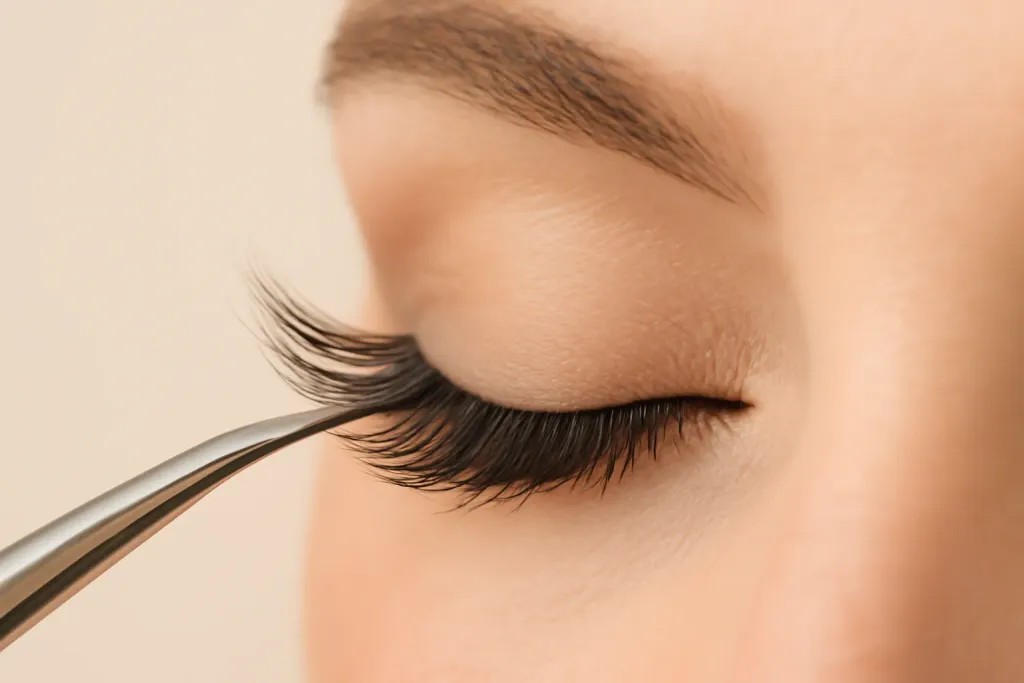
How to Make the Lift Look Natural
A natural-looking outer-corner lift usually comes from restraint. Instead of choosing the most dramatic style, pick a lash that adds subtle length or flutter at the outer edge. This keeps the shape lifted without turning the eye into a complete statement look. If your makeup leans minimal, that subtlety matters even more.
Blend the lash line with a thin layer of liner or a tight line of mascara if that suits your style. The goal is not to hide the lash completely, but to make the band feel integrated. If the lash has a noticeable band, a little liner can help disguise the seam and make the outer corner look more polished.
Consider the rest of your eye makeup as part of the shape. A soft shadow that is slightly deeper at the outer corner can support the lifted effect, while a bright inner corner can make the contrast more visible. If you curl your natural lashes first, the half lash can sit more evenly and the final look may feel less abrupt.
Keep in mind that the outer corner should lift the eye visually, not force it into a different shape. If the lash is too heavy at the far edge, it can drag the look down. If it is too short, the lift may disappear. Small adjustments often make the biggest difference.
Comfort and Day-to-Day Wear
Half lashes are often chosen for comfort as much as for style. Because they cover less of the lash line than a full strip, they may feel easier to wear during a normal day. That can be helpful if you are new to false lashes or if you want a look that feels less noticeable once it is on.
Comfort depends on the lash band, the adhesive, and how well the lash matches your eye shape. If the outer corner catches, scratches, or feels too tight, the fit may need adjusting. A lash should sit securely without pulling at the skin. If you keep tugging at the eye, the placement is probably off.
When wearing half lashes with other makeup, avoid layering too much product near the outer corner. Heavy liner buildup or thick mascara clumps can make the area feel less flexible. A lighter hand often works better and helps the lash move more naturally with your face.
If irritation shows up, remove the lashes carefully and give your eyes a break. Persistent redness, pain, or swelling should be checked by a qualified professional. False lashes should enhance your routine, not make it uncomfortable.
Removal, Cleaning, and Reuse
To remove half lashes, soften the adhesive first and lift the band gently from the outer corner. Pulling quickly can stress both the lash strip and your natural lashes. Work slowly and support the skin as you remove the band so the process stays as gentle as possible.
After removal, clean any adhesive residue from the band with care. A clean band helps the lash keep its shape and makes future application easier. Use a light touch so you do not bend or damage the fibers. If the lash style is delicate or very fluffy, handling it roughly can shorten its usable life.
Store the lashes in their original tray or another protective case so the shape stays intact between uses. Half lashes often rely on a precise curve to sit well at the outer corner, and bent bands can make placement harder. Keeping them safe also helps protect them from dust and makeup transfer.
Reuse depends on how well the lashes are cared for and how much wear they have seen. There is no universal rule, so inspect the band and fibers before each use. If the lash looks misshapen, feels brittle, or no longer sits comfortably, it is time to replace it.
Smart Shopping Tips for Half Lashes
When comparing options, read the product details closely so you know what you are getting. Look for photos that show the lash on a model from more than one angle, if available, because the outer-corner shape can look very different from a front view versus a side view. That helps you judge whether the style will create the lift you want.
Pay attention to band length, shape, and material description. Some half lashes are designed to be especially subtle, while others are made for a more pronounced winged effect. If you want an easy outer-corner lift, a style that is specifically described as wispy, tapered, or fluttery may be closer to your goal than a dense, blunt design.
It can also help to think about your routine before you buy. If you are often short on time, choose a style that seems easy to place and easy to blend. If you like experimenting, you might prefer a few different looks: one nearly invisible, one softly lifted, and one slightly more defined. That gives you flexibility without changing your whole makeup approach.
Above all, keep the look anchored in your own features. The best half lash is not the boldest one; it is the one that quietly improves the outer corner and still looks like it belongs on your face.