Start With a Style That Suits Your Eyes
If you are learning how to make false lashes more comfortable, the first step is choosing a style that fits your eyes well. Comfort starts with the lash itself. A strip that looks great in a photo can still feel distracting if it is too dense, too long, or too stiff for your lid shape.
For many people, lighter styles are easier to wear than fuller, heavier strips. Wispy designs can feel less noticeable because they spread fibers in a softer pattern across the band. Shorter lengths may also be a better match if your eyes are smaller, hooded, or simply sensitive to extra weight at the lash line.
The band matters just as much as the fibers. A flexible band can follow the curve of your eye with less effort, while a rigid band may need more shaping before it feels natural. When the band moves with your lid instead of against it, you are less likely to notice it with every blink.
It can also help to think about how much coverage you actually want. If a full strip feels like too much, half lashes or outer-corner accents may be more comfortable. They still add definition, but they often create less pressure across the lid. A style that suits your routine is usually easier to keep on, easier to forget about, and easier to enjoy.
Trim the Band for a Better Fit
One of the most common reasons false lashes feel uncomfortable is simple length. If the strip is longer than your eye, it can press into the inner or outer corner and make the lash feel like it is fighting your face. Trimming the band is often the quickest way to improve the fit.
Before you apply adhesive, hold the lash against your eye and compare the strip with your natural lash line. If it extends past where your lashes begin and end, remove a small amount from the outer edge. Cutting a little at a time gives you more control than taking off too much at once.
After trimming, check the curve again without glue. A better-sized band should sit more evenly and feel less likely to pinch. If the strip still seems stiff, gently bend it between your fingers so it follows your eye shape more naturally. That small step can make a surprisingly big difference in comfort.
The inner corner deserves special attention because it is often the first place people notice irritation. If that end keeps lifting or pressing into the tear duct, the band may still be too long. Adjusting the fit before application is usually more effective than trying to force a long strip into place.
Use Just Enough Adhesive
Adhesive can change the way a lash feels on your lid. Too much glue can dry stiff, create bulk along the band, or seep onto the skin and make the strip feel heavy. Too little may leave the lash shifting around, which leads to more pressing, tugging, and constant adjustment. The goal is a thin, even layer that holds without adding extra drag.
After applying adhesive, let it become tacky before placing the lash. If the glue is too wet, the strip can slide around and tempt you to reposition it over and over. A tacky base usually grips more securely and reduces the amount of handling needed, which helps keep the process smoother.
Try to keep adhesive away from the very inner corner, where the skin can be more sensitive. A small amount along the band is often enough. A thick bead is usually unnecessary and can make the lash feel rigid. If glue squeezes out after placement, remove the excess carefully before it fully dries.
If you do not like the feeling of adhesive, start with the lightest application that still gives a secure hold. Many people find that comfort improves simply because the lash sits in less product and moves more naturally with the eye. Secure does not have to mean heavy.
Place the Lash Close to Your Natural Line
Even a soft lash can feel awkward if it sits too high, too low, or too far from your natural lash line. Placement is a major part of how to make false lashes more comfortable because the closer the strip sits to your own lashes, the more natural it usually feels.
Use a mirror and look slightly downward while applying the lash. That angle can make it easier to place the band accurately without pressing too hard into the lid. Start by anchoring the center, then press the inner and outer corners into place so the strip follows the curve of your eye instead of buckling at the ends.
Once the lash is set, press lightly along the band with a fingertip or clean applicator so it sits smoothly against the lid. The aim is to encourage the strip to hug the eye, not flatten the skin. If one corner keeps lifting, resist the urge to keep pushing hard. Remove the lash, adjust the fit, and try again.
Repeated tugging usually creates more discomfort than a careful reset. A well-placed strip is easier to ignore during the day, which is often the real goal with temporary false eyelashes.
Prep Your Lids for a Smoother Feel
Comfort is not only about the lashes themselves. The condition of your lids and the products near the lash line can change how the strip feels. Clean, dry skin gives adhesive a better surface to hold, which can reduce slipping and cut down on the need for touch-ups.
Before applying temporary false eyelashes, remove leftover mascara flakes, oily residue, and heavy product buildup from the lid area. A smooth base helps the lash band sit evenly. Some people also like a thin line of eyeliner to soften the transition between the lash and the lid. That is optional, but it can make the strip feel less abrupt visually.
If you use mascara, keep it light. Heavy coats can add weight and make the natural lashes clump against the strip, which may feel stiff. For many wearers, skipping mascara altogether or using only a small amount near the base creates a lighter, airier feel. The same goes for liner: a neat, thin application usually works better than building up thickness at the lash line.
Taking a few extra minutes to prep the area can make a noticeable difference. Rushed application often leads to uneven glue, poor placement, and more awareness of the band throughout the day. A clean base is one of the simplest ways to improve comfort without changing the lash style itself.
Make Small Shape Adjustments
Once the lashes are on, small adjustments can help them feel easier to wear. If the band seems pokey or the outer corner feels too dramatic, check whether the strip needs a slight trim or a gentler bend. The goal is to remove pressure points, not force the lash into a shape it does not want to hold.
Before application, you can warm and flex the strip between your fingertips so it curves more naturally. This is especially useful with stiffer bands. A little shaping can help the lash sit closer to the eye and reduce that rigid, straight-across feeling that sometimes makes falsies uncomfortable.
Try not to crowd the lash line with too many products. A buildup of liner, mascara, or adhesive can make the area feel thick and congested. Keeping the immediate lash line tidy gives the strip room to sit more comfortably and can reduce friction.
After application, blink normally and notice where pressure is strongest. If one spot keeps bothering you, remove the lashes and make another adjustment instead of trying to ignore it. Temporary lashes should feel wearable. If you are constantly aware of them, the fit probably still needs work.
Remove Lashes Gently and Care for Your Eyes
Removal matters just as much as application. Pulling off a strip quickly can leave the lids sore and make the next wear less comfortable. The safer approach is to loosen the adhesive gradually and lift the lash gently from the outer corner. Never yank the band away from the lid.
If the adhesive is still holding firmly, pause and let it soften a little before trying again. Work slowly across the strip rather than forcing it in one motion. That extra patience helps reduce pulling on both the skin and your natural lashes.
Afterward, clean leftover adhesive from the band so it does not build up and make the lash stiffer next time. Residue can affect fit and add irritation over repeated wears. A clean strip tends to sit more smoothly and feel less noticeable.
If your eyes feel persistently sore, red, or irritated after wearing lashes, stop using them and seek professional care. Temporary false eyelashes should be an accessory, not a source of ongoing pain. If a pair repeatedly bothers you even after adjustments, it may simply not be the right style or fit for your eyes.
Build a Comfortable Routine
Learning how to make false lashes more comfortable is often about building a routine that supports them. When you trim, place, and remove lashes with care, the process gets easier to repeat and the results usually feel better. Comfort tends to improve when each step is deliberate instead of rushed.
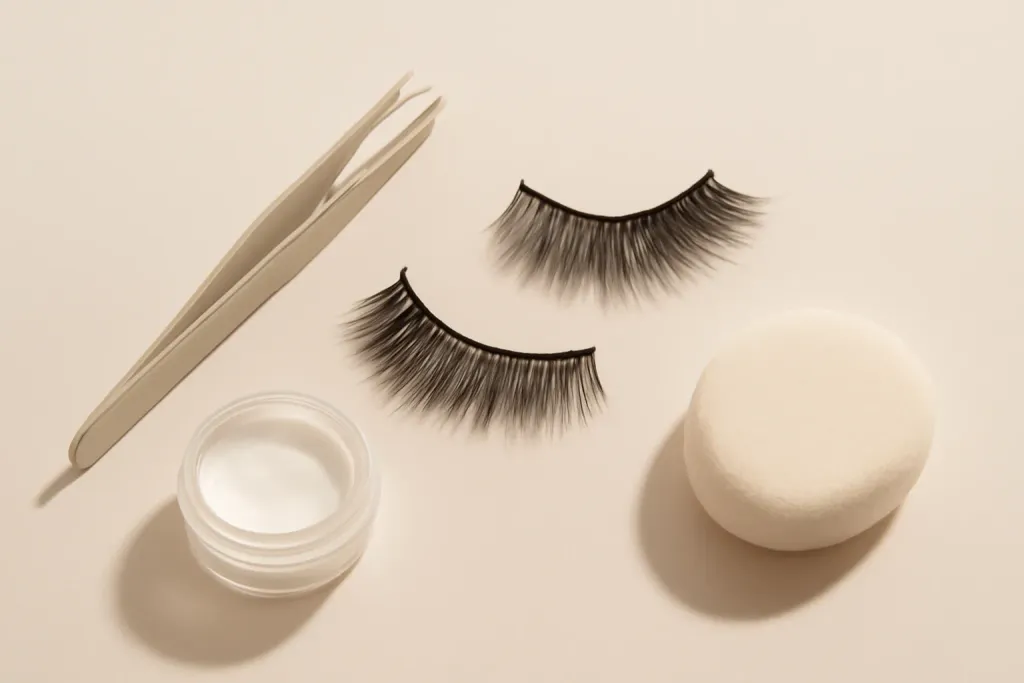
It helps to keep a small lash kit ready with the basics you use most, such as scissors, adhesive, tweezers or an applicator, and a clean surface for application. Having everything in one place makes it easier to fine-tune the fit each time and reduces the temptation to hurry through the process.
Pay attention to patterns. If a certain style always feels heavy, move toward a lighter one. If the inner corner keeps lifting, trim more carefully next time. If adhesive feels stiff, use less. Small changes can make a noticeable difference, especially with temporary false eyelashes that you may wear for different occasions.
Most of all, listen to your eyes. The most comfortable lash is not always the boldest one; it is the one that fits your eye shape, works with your routine, and lets you enjoy the look without distraction. If a pair never feels right, it is fine to choose something simpler and more wearable.