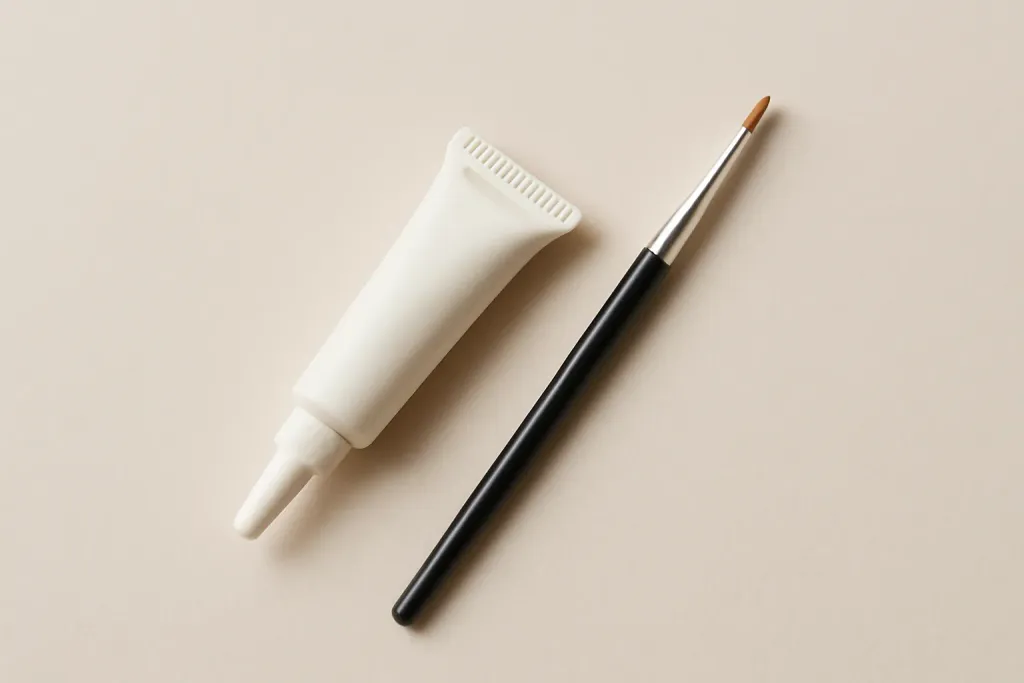
What latex-free lash glue means
Latex-free lash glue is adhesive made without natural latex, a common ingredient in some lash adhesives. Shoppers often look for this label when they want to avoid latex-containing formulas that may feel irritating or simply do not suit their preferences. For temporary false eyelashes, the key point is that the glue should help the lash strip stay in place while still being comfortable enough for routine wear.
That label alone does not tell the full story. A formula can be latex-free and still contain other ingredients that may feel strong, tacky, or drying on the skin. It can also vary in thickness, drying speed, and ease of removal. For that reason, buyers should look beyond the front label and read the ingredient list, product directions, and usage notes carefully.
When shopping on Amazon, it helps to treat latex-free lash glue as a starting point rather than the only filter. Your goal is to find a formula that fits your application style, eye sensitivity, and the type of false lashes you wear most often.
Check the ingredient list, not just the front label
The ingredient list is one of the most useful places to start when evaluating latex-free lash glue. Look for the latex-free claim, then scan the rest of the formula for ingredients you may already know tend to bother your skin or eyes. Even without making medical claims, it is fair to say that some people notice discomfort from strong-smelling or fast-setting adhesives, especially when used too close to the lash line.
If you have had reactions to beauty products before, pay attention to any additional adhesives, preservatives, or film-forming ingredients listed on the package. A shorter ingredient list is not automatically better, but it can be easier to review. If you are comparing several products, note whether the brand explains what each formula is intended for, such as strip lashes, cluster lashes, or decorative lash accents.
Also check whether the glue is clear or dark after drying, because that can affect the finished look. Clear formulas can be useful for beginners, while darker formulas may blend better with eyeliner. The right option depends on the style you prefer and how precise your application tends to be.
Look at the applicator and dry time
Dry time matters because it affects how easily you can place the lash strip before the glue starts to set. Some latex-free lash glue products are designed to stay tacky a bit longer, which may help beginners adjust the lash position. Others set more quickly, which can be convenient for experienced users who already know where each strip should go.
The applicator matters just as much. A thin brush tip may give more control and help you place a narrow line of glue along the band. A squeeze tube can be simple, but it may take more practice to avoid using too much product. Too much glue can make the lash band feel bulky and can complicate removal later.
If you often wear temporary false eyelashes for short routines, think about whether the adhesive is easy to manage with one hand while you hold the lash with the other. Small details like the shape of the nozzle and how smoothly the glue dispenses can make a noticeable difference in day-to-day use.
Consider comfort and sensitivity
Comfort is one of the biggest reasons shoppers search for latex-free lash glue. Eye-area products are used close to a delicate part of the face, so even a formula that performs well may not feel pleasant for everyone. If your eyes tend to water during application or your skin feels easily overwhelmed by beauty products, choose a glue with straightforward directions and a formula described as gentle by the brand, while still reading the full ingredient list yourself.
It is also helpful to consider scent. Some adhesives have a noticeable odor, and while that does not automatically make them a poor choice, it can affect your experience during application. If you prefer a low-fuss routine, look for products that provide clear instructions about how long to wait before placing the lashes and whether the formula should be applied to the band only.
When a product causes ongoing redness, burning, swelling, or pain, stop using it and seek professional care. Temporary false eyelashes should enhance your look, not make your eyes feel worse.
Browse our recommended products
Our featured picks refresh periodically. While we update them, our editorial guides can help you find the right pick.
See our guides
Match the glue to your lash type
Not every latex-free lash glue is meant for the same kind of lashes. Strip lashes, individual clusters, and lightweight accent lashes may each work best with a different texture or level of hold. Before adding a product to your cart, check that the package says it is appropriate for the lash style you plan to wear.
Strip lashes usually need a glue that can be spread evenly along the band. A formula that is too thin may slip around before it grips, while one that is too thick may leave the band stiff. For clustered or small-section lashes, precision becomes more important, so a controlled applicator may matter more than the formula's appearance in the bottle.
If you switch between dramatic lashes and natural-looking styles, consider whether one adhesive can handle both. Some shoppers keep a more flexible everyday option and a stronger-looking formula for bolder lashes, but the best choice depends on your application habits and comfort with cleanup.
Evaluate hold, removal, and reusability
Hold is important, but it should be balanced with removal. A latex-free lash glue that grips well may still be a poor match if it leaves too much residue on the band or requires excessive rubbing to remove. For temporary false eyelashes, that can shorten the life of the lashes and make the whole routine feel harder than it should.
Look for product details that explain whether the glue peels away cleanly, loosens with makeup remover, or needs a specific removal step. If you plan to reuse your lashes, this information is especially important. Some formulas may make the band look cloudy or stiff after repeated wear, while others are easier to lift off in one piece.
Be cautious with any product that encourages tugging. Gentle removal is usually better for both the lashes and the skin around the eyes. A little patience during cleanup can help keep your false lashes in better shape for the next wear.
Read packaging and usage instructions closely
The package instructions tell you a lot about how a latex-free lash glue is meant to be used. Check whether the brand recommends applying the adhesive to the lash band only, waiting a specific amount of time before placement, or pressing the lash into place in a certain order. These details can affect both comfort and finish.
Packaging also helps you judge whether a product fits your routine. Some glues come in compact tubes that are easy to travel with, while others are designed for at-home vanity use with a more precise brush applicator. If your makeup routine is quick, a clearly labeled package can save time. If you are more detail-oriented, you may prefer a formula with fuller instructions and warning notes.
Keep an eye out for storage guidance as well. Products that should be tightly capped or kept away from heat can lose performance if stored carelessly. Good packaging does not guarantee a better formula, but it often helps you use the glue as intended.
A smart shopping checklist for Amazon buyers
Before buying latex-free lash glue, it helps to compare the product page against a simple checklist. First, confirm that the formula is clearly labeled latex-free. Next, check whether it is intended for your lash type, whether the applicator matches your skill level, and whether the instructions are easy to follow. Then look at the ingredient list, the removal notes, and any storage guidance.
It can also help to think about your makeup routine as a whole. If you usually wear minimal makeup, a clear, easy-to-control glue may feel more natural. If you like a more defined eye look, you may want a formula that blends well with your lash line. If you change products often, choose one that seems straightforward enough to fit into multiple looks without a lot of trial and error.
The best latex-free lash glue is not necessarily the one with the flashiest wording. It is the one that fits your lashes, your comfort level, and your cleanup preferences. A careful read of the product page can save time and help you choose a glue that feels more manageable from the first use.