Quick Answer
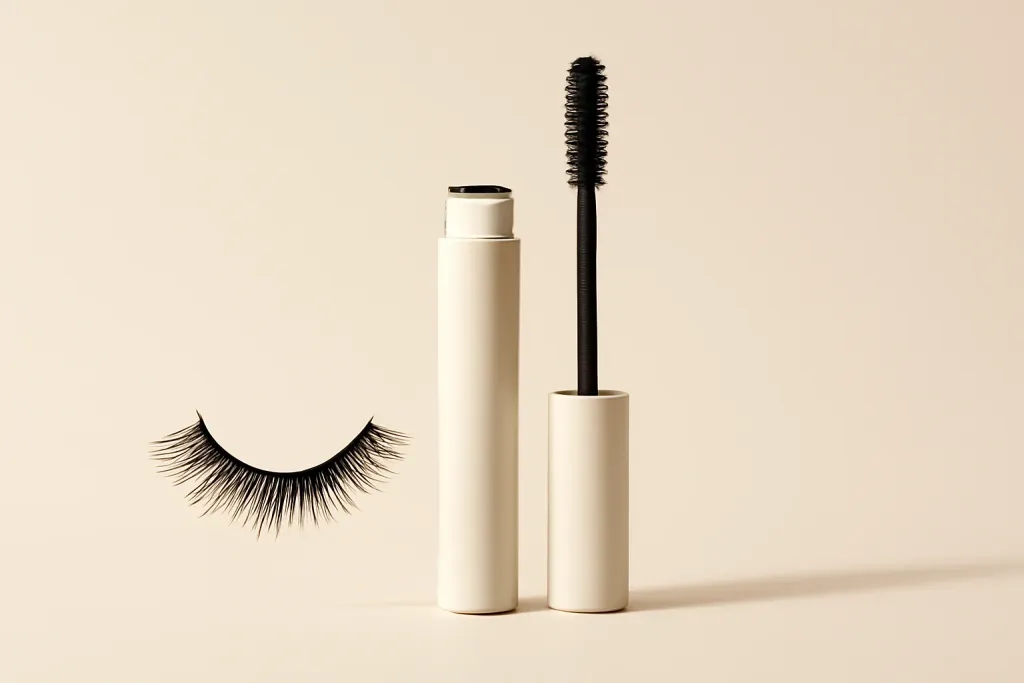
If you are choosing between mascara before or after false lashes, the simplest answer is usually: apply mascara first only if you need it, and skip heavy mascara after the lashes are on. For most temporary false lashes, the cleanest look comes from curling your natural lashes, adding a very light coat of mascara if desired, then placing the false strip or clusters on top.
Why? Mascara can help blend your natural lashes with the false ones, but too much product can weigh down the lash band, make the finish look clumpy, and shorten the tidy look you were hoping for. If your false lashes are already full, dramatic, or dense, you may not need mascara at all.
There are exceptions. Some beauty lovers prefer a tiny bit of mascara after the glue has set, just to connect the base of their natural lashes to the strip. That can work, but only with a very light touch and only after the adhesive is fully secure.
Why the Order Matters
The order matters because mascara changes the texture of your natural lashes. Once lashes are coated, they become thicker, a little stiffer, and sometimes more likely to stick together. That can be helpful if you want your own lashes to visually merge with a false strip, but it can also make placement harder.
If you put on mascara first, you may get a better match between your real lashes and your temporary false lashes. This is especially useful if your natural lashes are light, sparse, or straight and you want the false set to look more seamless. The downside is that mascara can transfer to the underside of the false band during application, which can create a mess if you are working with delicate lashes or a pale lash band.
If you put on mascara after the falsies, you may be able to fill in gaps at the roots and soften the transition from your real lash line to the strip. The risk is that applying mascara too roughly can tug at the lashes, disturb the adhesive, and leave dark residue where you do not want it. In other words, the best choice depends on the style of lashes you are wearing and how polished you want the final result to look.
When to Use Mascara Before False Lashes
Using mascara before false lashes makes the most sense when you want your natural lashes to support the look instead of disappear under it. A thin coat can create a darker base so the false strip blends more naturally, especially if the false lashes are not extremely dense.
This approach can also help when your natural lashes are very straight. After curling, a light coat of mascara can give them a little more lift and definition, which may make the overall lash line look more even. It can be useful for everyday styles, wispy lashes, or softer strip lashes where you want the eye to read as enhanced rather than fully dramatic.
Keep the coat light. The goal is not to build a full mascara look and then add false lashes on top. Too much product can create a bulky base and make the band harder to position close to the lash line. If you are using this method, let the mascara dry enough that it will not smudge onto the adhesive or leave wet clumps behind.
Some people also prefer mascara before false lashes because it makes removal simpler later. If your mascara layer is minimal, you are less likely to be left with heavy residue tangled in the false lashes, which can help you clean and reuse certain temporary styles more easily.
When Mascara After False Lashes Can Work
Putting mascara on after false lashes is a more selective choice. It can help if you see a visible difference between your real lashes and the false set, especially near the inner or outer corners. A very light sweep can connect the two layers and make the lash line look more continuous.
This method is most useful when the false lashes are soft and natural-looking rather than thick and fluffy. A tiny amount of mascara can deepen the base and help your own lashes disappear into the strip. It can also help if you applied the false lashes first and then realized your natural lashes still show through more than you expected.
That said, mascara after false lashes should be treated like a finishing touch, not a full second coat. Heavy application can overwhelm the style, make the lashes look spidery, and place stress on the adhesive bond. If you choose this route, use the lightest possible touch and focus only on the roots of your natural lashes, not the full length of the false lashes.
As a general rule, if you are asking whether mascara before or after false lashes is better for a bold look, after is usually not the better option. For dramatic falsies, skipping mascara often preserves the intended shape and density more effectively.
Browse our recommended products
Our featured picks refresh periodically. While we update them, our editorial guides can help you find the right pick.
See our guides
Best Application Order for a Clean Result
For many people, the best sequence is straightforward: start with clean lashes, curl if desired, apply a very light coat of mascara only if needed, allow it to set, then apply the false lashes. This order helps you keep control over the look while reducing the chance of smudging wet product onto the band.
If you like to use mascara before false lashes, avoid layering on so much product that your natural lashes form a heavy shelf beneath the strip. The cleaner the base, the easier it is to place the falsies close to the lash line. That matters because temporary false eyelashes look best when they sit securely without obvious gaps.
If you prefer to skip mascara until the end, make sure the adhesive is fully in place first. Use only a tiny amount, and apply it with care so you do not disturb the band. A lash comb or clean spoolie can help separate any small clumps on your natural lashes before or after the false lashes go on.
Also consider your eye makeup. If you are wearing eyeliner, a soft line can help hide the lash band and reduce the need for mascara afterward. If you are going for a very bare-lid look, mascara before false lashes may offer enough definition on its own without needing much extra product once the falsies are applied.
How the Lash Type Changes the Answer
Not all temporary false eyelashes behave the same way, so the mascara question depends on the style. Lightweight, wispy strips often benefit from a little mascara before application because the natural lashes can blend more easily into the airy shape. More dramatic or dense strips usually look better without mascara, since they already create enough impact on their own.
Clusters or accent lashes can go either way. If you are placing only a few pieces, mascara before application may help your natural lashes match the added fullness. But if the pieces are meant to stay visible as separate elements, mascara after may blur the distinction too much and make the look less precise.
Lash bands also matter. A clear or thin band may show mascara transfer more easily during application if your natural lashes are loaded with product. A thicker band can sometimes hide a little more mess, but it may also make mascara after the lashes less necessary because the style is already structured and defined.
Think about the final effect you want: soft and blended, or polished and unmistakably false. The more the lashes are designed to be the star, the less mascara you usually need.
Common Mistakes to Avoid
One of the biggest mistakes is using too much mascara before false lashes. Heavy product can make your real lashes sticky, clumped, and harder to line up under the strip. It can also leave dark residue on the adhesive area, which makes the placement look messy.
Another mistake is brushing mascara across the false lashes themselves as if you were finishing a full makeup look. This can make temporary lashes lose their shape, especially if they are fine, wispy, or meant to look featherlight. A small touch may help in some cases, but a full coat usually works against the style.
People also run into trouble when they apply mascara before the adhesive has set. Wet mascara and fresh lash glue do not mix well, and the result can be sliding, smudging, or awkward repositioning. Give each layer a moment to settle so you are not fighting the product while you work.
Finally, do not keep adding more mascara hoping it will hide a fit issue. If the false lashes are too long, too heavy, or not placed correctly, mascara will not fix the problem. It is better to adjust the placement or choose a different lash style than to pile on product.
A Simple Rule You Can Use Every Time
If you want a quick rule for mascara before or after false lashes, use this: mascara before is usually better for blending, mascara after is only for tiny touch-ups, and no mascara at all is often best for fuller false lashes.
That rule works because temporary false eyelashes are designed to create the effect for you. Mascara can support the look, but it is not always necessary. In fact, many of the cleanest lash looks come from using less product, not more.
When in doubt, start small. Apply your lashes first in a test run without mascara, then decide whether the natural lash line needs a little extra depth. If it does, add the smallest possible amount. If it does not, leave it alone.
And if mascara or lashes cause persistent irritation, redness, or pain, stop using them and seek professional care. The goal is a flattering temporary look that feels comfortable from start to finish.