What Hooded Eyes Need From Strip Lashes
Hooded eyes have a lid shape where the crease is partly covered when the eyes are open. That changes how makeup and strip lashes read on the face. With strip lashes for hooded eyes, the goal is usually to add definition without burying the lid or making the eye look heavier than it is.
The most flattering results tend to come from lashes that lift the outer eye, stay flexible, and keep the center from becoming overly dense. Because the hood can hide part of the lash line, a style that looks balanced from the front matters more than one that only looks dramatic in the tray. Think about how the lash will sit when your eyes are relaxed, not just when they are wide open.
Natural lash direction matters too. If your own lashes point straight out or slightly downward, a gentle curve can help create a more visible shape. If you have deep-set eyes or limited lid space, lighter designs often feel cleaner and less crowded. In short, strip lashes for hooded eyes work best when they add lift, shape, and openness instead of weight.
Lash Styles That Usually Flatter
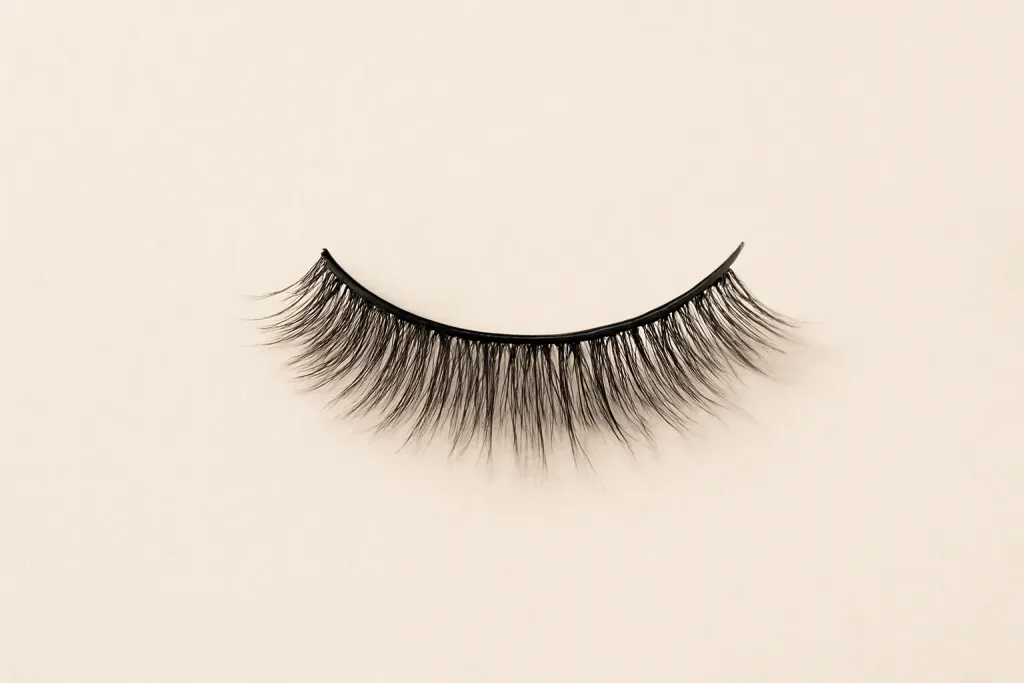
When comparing strip lashes for hooded eyes, silhouette should come first. Styles with shorter inner corners and slightly longer outer corners often create a soft lifting effect. This subtle taper can be especially helpful because it draws attention outward while keeping the center from taking over the lid.
Wispy lashes are often easier to wear than very dense, all-one-length styles. Uneven fiber patterns and light spacing can add dimension without making the lash look flat or heavy. If you want an everyday finish, look for moderate length and a softer texture. If you want a more noticeable effect, choose a lash that builds gradually toward the outer edge rather than jumping abruptly into volume.
Band style matters as much as fiber style. Thin or clear bands can blend easily, while a soft black band can add definition along the lash line. A flexible strip usually sits better on hooded eyes because it can follow the eye’s curve more naturally. Very stiff bands may lift at the corners or feel awkward against the lid.
Half lashes and shorter outer-corner accents are also worth considering. They can emphasize the area where hooded eyes often benefit most without covering the entire lid. For many shoppers, the sweet spot is a lash that adds polish while still letting the natural eye shape show.
Length, Volume, and Band Width
Length is one of the biggest factors in whether a lash flatters hooded eyes. Extra-long styles can look striking in product photos, but once worn they may create a shadow effect across the lid. Medium lengths often feel more balanced because they define the eye without visually closing off the space above the lash line.
Volume deserves the same caution. Dense, stacked fibers can be beautiful, but too much fullness can make the eye appear smaller if the lid area is already limited. A feathery or layered design usually adds softness and lift without feeling bulky. If you prefer a bolder look, try to keep the fullness concentrated toward the outer half of the eye rather than the center.
Band width also changes the fit. A strip that is too long for your eye may poke at the inner or outer corners, while a band that is too rigid may not sit naturally. Many people find that trimming a strip slightly helps it match the eye shape better. The key is to preserve the intended style while adjusting the fit so the lash follows your natural eye line.
When in doubt, choose proportion over maximum drama. A balanced lash usually looks better in real life than an oversized style that dominates the lid. With strip lashes for hooded eyes, the best look is one that adds lift, not weight.
How to Apply for a Flattering Fit
Application can make or break the result on hooded eyes. Start by measuring the strip against your eye before adding adhesive. If the lash extends too far, trim from the outer edge in small increments so the curve stays natural. A better fit usually means less corner lifting and less irritation from a strip that presses into the lid.
Place the band as close to your natural lash line as possible, but avoid crowding the waterline. Close placement helps the lash look seamless, which matters more when lid space is limited. Many people find it easier to apply while looking slightly down into a mirror, since that can reveal the lash line more clearly and reduce tugging on the lid.
Let the adhesive become tacky before setting the strip. That gives you more control and reduces sliding. Press the center first, then the inner and outer corners so the lash anchors evenly. If the strip seems hidden by the fold, it may be sitting too high and should be repositioned lower along the lash line.
After application, blend your natural lashes with the strip using mascara only if needed and in a light layer. Too much product can weigh the strip down. The aim is a lifted, comfortable finish that works with the hooded shape instead of fighting it.
Browse our recommended products
Our featured picks refresh periodically. While we update them, our editorial guides can help you find the right pick.
See our guides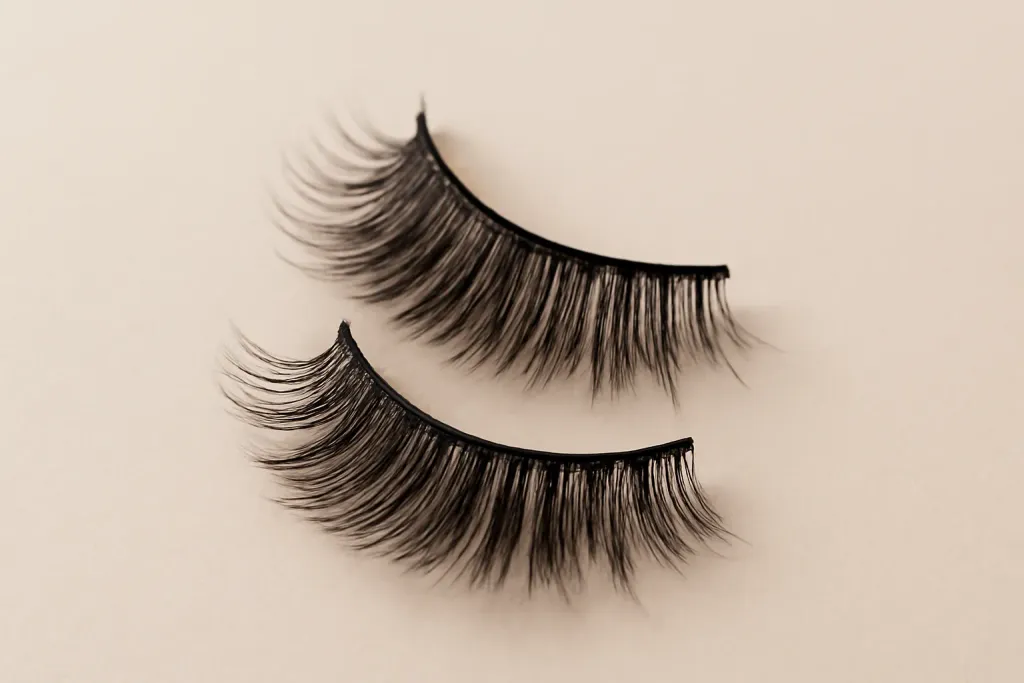
Material and Finish to Consider
The material and finish of a strip lash affect both comfort and appearance. Synthetic fibers can create crisp, defined shapes, while softer-feeling fibers may give a more airy finish. For hooded eyes, a lighter-looking fiber pattern often helps keep the lash from appearing too heavy at rest.
Finish matters in how the lash reads from the front. A very uniform style can look sharper, while a softly varied texture may feel more blended into the eye makeup. If your goal is an everyday lifted look, a bit of texture can help the eyes look open and approachable. For evening wear, a fuller finish can add drama without needing an oversized strip.
It also helps to think about your overall makeup. If you are wearing bold liner or strong shadow, a more subtle lash can prevent the eye area from feeling crowded. If your makeup is minimal, a moderate lash can supply the extra definition you want. The best choice is not always the most dramatic one; it is the one that complements the eye shape and the rest of the face.
When shopping online, product images are useful but do not always show how a lash sits on a hooded lid. Descriptions that mention lightness, flexibility, and tapered shaping are often more helpful than a dramatic tray photo.
Common Mistakes to Avoid
One common mistake is choosing a lash that is too thick from corner to corner. Uniform density can make hooded eyes look smaller because it removes visual space across the lid. A style with more variation, especially one that opens near the outer corner, is usually more flattering.
Another mistake is placing the strip too high on the lid. When the band sits far from the lash line, the eyelid fold may hide part of the lash and create an uneven finish. It can also make the strip feel more noticeable than natural. Keeping the placement close to the lash line usually improves both comfort and appearance.
Skipping the trim is another frequent issue. Because eye shapes vary, a one-size-fits-all strip may need a small adjustment. Trimming helps the lash follow the natural curve of the eye, especially if the outer corner tends to lift or the inner edge feels too close to the tear duct.
Finally, avoid piling on too many dramatic elements at once. Very dense lashes, heavy liner, and dark shadow together can overwhelm the lid space. With hooded eyes, balance often creates a better result than excess.
Removal and Care
Gentle removal helps protect your natural lashes and the strip. Start by loosening the adhesive carefully rather than pulling the lash off quickly. A slower approach reduces stress on the lash line and can help preserve the band if the style is meant to be reused.
After removal, peel away any remaining adhesive from the band using clean fingers or a tool designed for false lashes. Handle the fibers carefully so the shape stays intact. Storing the lashes in their original tray or a clean case helps maintain the curve, which is especially useful for strip lashes for hooded eyes because the original shape supports a better fit next time.
Keep the band clean and avoid heavy makeup buildup. That helps the lash last longer and keeps it easier to wear again. If your eyes feel irritated, red, or persistently uncomfortable after lash use, stop using the product and seek professional care if the problem does not resolve.
Quick Shopping Guide
If you want a simple way to narrow your options, start with shape. Hooded eyes usually benefit from lashes that are tapered, lightly layered, and not overly dense. From there, check whether the band looks flexible enough to trim and fit comfortably. Those two details often matter more than shoppers expect.
Then think about the look you want. For daytime or low-key makeup, choose a softer lash with modest length and airy texture. For a more styled result, pick a strip that adds emphasis at the outer corners while keeping the center light enough to avoid crowding. The best strip lashes for hooded eyes usually create lift without hiding the eye.
It can also help to consider how much visible lid space you typically have. Some hooded eyes look more open depending on makeup, eye shape, or brow position. A versatile style will work across those changes better than a very extreme design. If you are building a small lash wardrobe, one natural pair and one softly dramatic pair can cover most needs.
In the end, the most flattering choice is the one that fits comfortably, supports your makeup style, and still looks balanced when your eyes are relaxed.