Why active days call for a different lash plan
False lashes can sharpen a look fast, but sweat changes the job they have to do. On a calm day, you may care most about style. On a day filled with commuting, errands, heat, or a workout class, comfort and control matter more. That is where false lashes for active days need a different mindset: lighter, simpler, and easier to keep in place.
The best pick is often not the most dramatic strip in the tray. Heavy lashes can feel more noticeable as your face warms up, and they usually ask for more adjustment. A softer style with a flexible band is easier to wear, easier to align, and less likely to distract you once the day gets moving. The goal is a polished look that supports motion instead of fighting it.
That does not mean you have to give up definition. It just means choosing a lash that works with real life. When you think about movement, heat, and moisture at the start, the rest of the routine becomes easier to manage.
Choose lightweight lashes with flex
For active wear, lash design matters as much as adhesive. Lightweight strips usually feel better because they add less pressure to the lid. A flexible band can also help the lash hug the lash line more smoothly, which often makes the finish look cleaner and more secure.
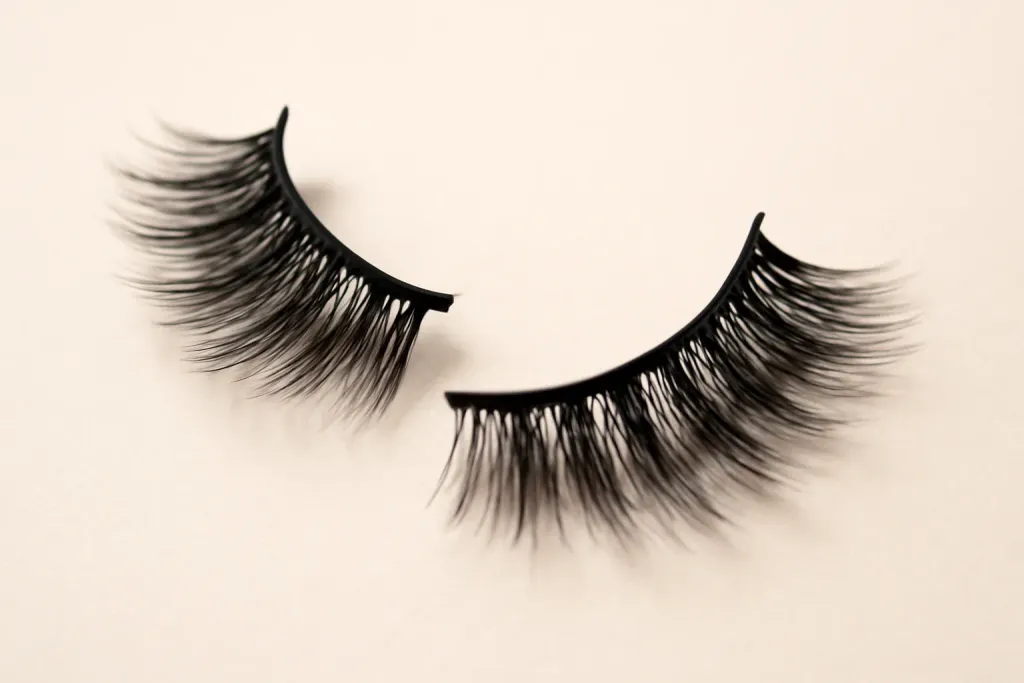
Moderate volume is usually the most practical choice. A style that is not too dense through the center and is slightly shorter at the inner corner can feel easier to wear than a thick, heavy strip. If you want drama, look for separation and movement rather than a stiff wall of fibers. That softer structure tends to handle heat better because it feels less bulky on the eye.
Length matters too. Very long lashes can feel more obvious when you blink or when humidity rises. Medium-length styles often give enough impact for everyday wear while staying more manageable. If a strip feels heavy in your hand, it will likely feel heavier once it is on.
Product details are usually more helpful than a glam photo. Terms like flexible band, lightweight feel, or natural volume are good clues when you are shopping for false lashes for active days.
Prep lids and natural lashes
Good prep is the base of sweat-friendly lash wear. Oil, moisturizer, and leftover makeup can interfere with grip, so start with a clean lid. If you use eye cream or face moisturizer, keep it away from the lash line and let it settle before you begin.
Next, look at your natural lashes. A light coat of mascara can help blend your own lashes with the strip, but too much product can make the base slippery and harder to secure. If you use mascara, let it dry fully before applying falsies. A damp base can weaken the bond and make placement messier.
Some people curl their natural lashes first so the strip sits more naturally. The point is not to load on products. It is to create a neat, dry surface that gives the adhesive a better chance to hold when sweat enters the picture.
Keep your tools close so the process stays controlled: tweezers or a lash applicator, small scissors for trimming, and a handheld mirror. The less time you spend searching, the easier it is to place the strip before the glue starts to set.
Trim and fit the strip
A poor fit is one of the quickest ways to lose comfort and hold. If a strip is too long, it can poke the inner corner, shift when you blink, or catch on skin movement. Before adding glue, hold the lash against your eye and see where it ends naturally. If it extends past your lash line, trim from the outer edge in small amounts.
Fit matters for both comfort and control. A strip that follows the curve of your lid is less likely to spring away from the skin. Not every style suits every eye shape straight out of the package, so it is worth taking a minute to gently bend the band with your fingers if needed.
Work gradually. Trim a little, test again, and repeat if necessary. It is easier to remove another sliver than to fix a lash that was cut too short. A better fit also helps keep corners from flaring upward, which can become more noticeable once heat softens the adhesive.
Use adhesive with control
Adhesive choice and placement can make a big difference when movement and moisture are part of the day. A thin, even line of glue usually works better than a thick bead, which can take longer to set and may ooze toward the lid. Focus on the ends and the center of the strip, since those spots often lift first.
Let the glue become tacky before applying the lash. If you place the strip while it is still too wet, it can slide around before it grips. If you wait until the adhesive has the right tack, the lash can settle more securely. Timing takes practice, but once you get used to it, the process becomes easier to repeat.
Some people add a touch more adhesive near the outer corner for extra support. Keep it modest so the finish stays neat and removal stays manageable later. For active wear, the best adhesive approach is controlled, clean, and not overloaded.
If you are trying a new lash-and-glue combination, test it on a low-stakes day first. That gives you a chance to see how it behaves before relying on it for a busy schedule.
Browse our recommended products
Our featured picks refresh periodically. While we update them, our editorial guides can help you find the right pick.
See our guidesApply cleanly and minimize touch-ups
When the lash is ready, use a mirror placed slightly below eye level so you can see the base of your lashes clearly. This angle helps you get close to the root line without poking at the eye. Set the center first, then press the inner and outer corners into place. That order often gives the strip a stronger anchor and helps it align evenly.
After placement, use the pads of your fingers or a clean applicator to secure the band along the lash line. A gentle pinch of natural lashes and falsies together can help them blend, but keep the pressure light. You want contact, not compression. The more you lift and reset the strip, the more you disturb the adhesive.
Try to avoid repeated adjustments once the lash is on. It is tempting to keep checking the shape, but every extra touch can weaken the bond. If something looks off, correct it early and then leave it alone. A clean first application is especially valuable on active days because it reduces the need for mid-day repairs.
If you wear other eye makeup, keep the rest of the look simple. Creamy shadows and heavy liner can shift more easily with moisture, while a restrained eye look may complement the lashes without competing with them.
Manage sweat throughout the day
Even a solid application can benefit from a little upkeep once you are moving. If you know you will be outside, commuting, or exercising lightly, carry a small kit with blotting papers, a compact mirror, and a few cotton swabs. The goal is to manage moisture near the lash line without disturbing the strip.
When you start to feel damp, gently blot the skin around the eyes rather than rubbing. Rubbing can twist the band and loosen the corners. A light press with a tissue or blotting paper is usually enough to reduce shine and remove surface moisture. If you use facial mist or sunscreen, apply it carefully and avoid spraying directly at the eyes or lash line.
Heat can also affect comfort. If the lid begins to feel sticky, resist the urge to peel at the strip. Instead, let the area dry and check whether a corner needs a gentle press back into place. If the strip has clearly shifted, it is better to remove it than to keep fighting it through the day.
For especially active schedules, shorter clusters or partial lash styles may be easier to manage than a full, heavy strip.
Remove carefully and protect natural lashes
Removal matters just as much as wear. After a sweaty day, adhesive may feel softer in some spots and more stubborn in others. Do not pull the strip off quickly. That can tug on your natural lashes and irritate the lid. Instead, soften the glue with an appropriate eye makeup remover or an oil-free cleansing formula, then ease the lash away slowly from the outer corner.
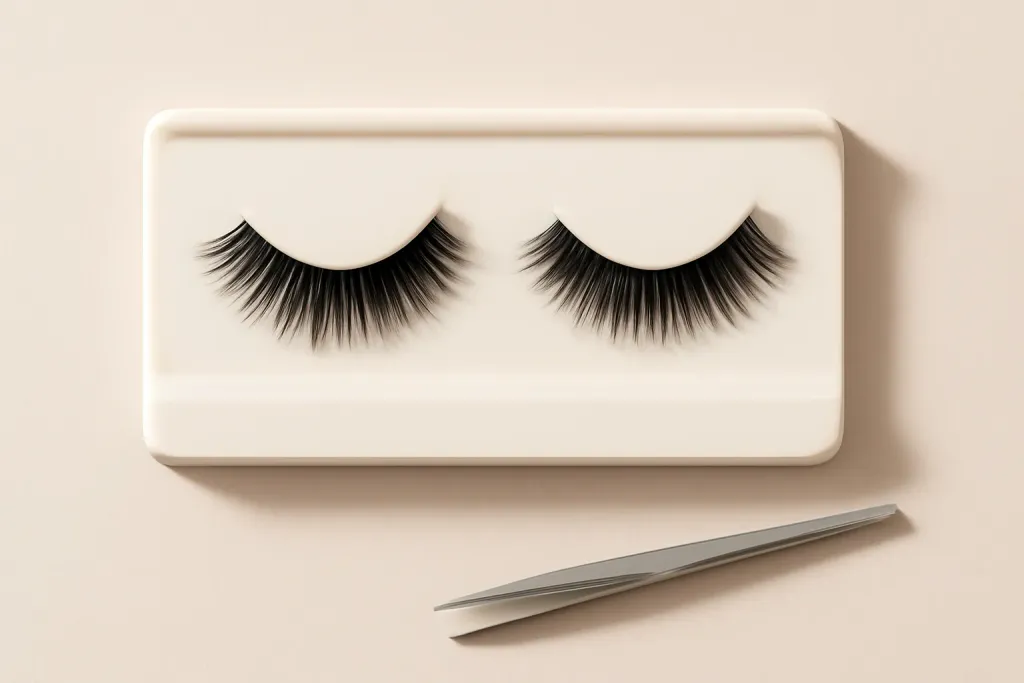
Once the strip is off, clean away leftover glue from the band if you plan to reuse the lashes. Gentle cleanup helps preserve the shape of the strip and makes future application easier. Store the lashes in their original tray if possible so the band stays curved.
Take a moment to check how your eyes feel after removal. Mild temporary sensitivity can happen after a full day of makeup and adhesive, but persistent redness, pain, swelling, or irritation should be addressed by a qualified professional. It is better to pause lash wear until your eyes feel normal again than to push through discomfort.
A simple routine for active days
If you want a quick framework, keep it basic: start with a clean lid, choose a lightweight strip, trim it to fit, and apply a thin line of adhesive only after it turns tacky. Then press the center first, secure the corners, and avoid unnecessary touching once the lash is set.
That routine works because it reduces the number of things that can go wrong when sweat and movement are part of the plan. It also keeps the finish looking intentional instead of overworked. The less bulky the lash and the cleaner the application, the easier it is to maintain a neat look through a full day of activity.
Active days do not have to mean skipping lashes altogether. They just call for a more thoughtful approach. When you match the style, prep, and placement to the way you actually move, false lashes can feel like a natural part of the day instead of one more thing to worry about.