How magnetic lashes work
Magnetic lashes replace traditional liquid adhesive with small magnets, either embedded directly in a lash band or paired with a separate magnetic eyeliner. The magnets attract to each other through your natural lashes (or through a thin liner layer), holding the false lash in place without glue touching your skin or lash line directly. For shoppers who want to avoid lash glue specifically, this is the main appeal.
Magnetic liner vs sandwich-style
There are two common magnetic lash systems, and they work differently enough to be worth understanding before you buy:
- Magnetic liner lashes pair a magnetic-infused eyeliner (applied like regular liquid liner) with a single lash band containing small magnets. Once the liner dries, the lash band clips onto it magnetically.
- Sandwich-style magnetic lashes use two thin lash strips, each containing magnets, applied above and below your natural lash line so they clip together around your real lashes -- no special liner required.
Magnetic liner lashes tend to give a cleaner, thinner line since there's only one lash band involved, but they require the magnetic liner to be applied evenly first. Sandwich-style lashes skip the liner step entirely but can feel slightly heavier since two bands clip around the natural lash line.
Applying magnetic liner lashes
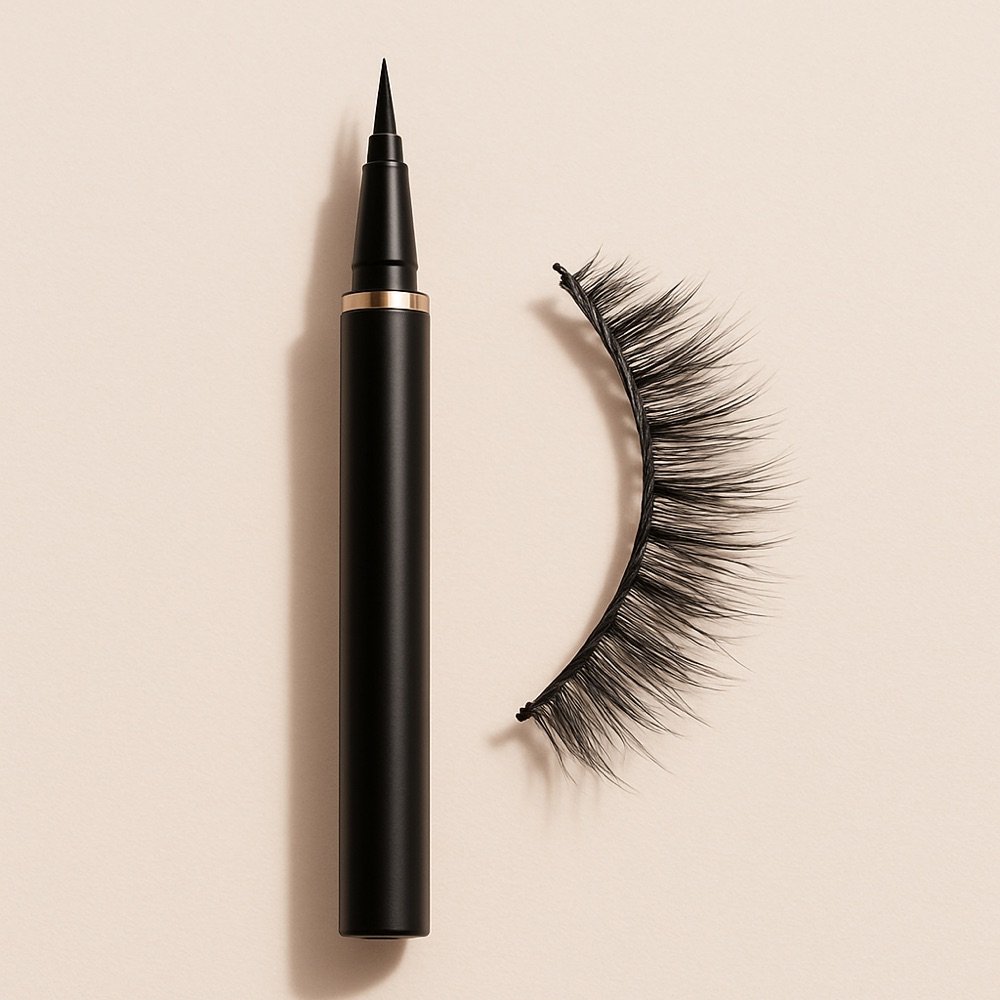
- Apply the magnetic liner along your lash line as you would any liquid liner, keeping the line as even and close to the lashes as possible.
- Let the liner dry fully -- placing a lash on wet liner reduces magnetic hold and can smudge the line.
- Align the lash band just above the liner and gently press down; the magnets will pull the band into place.
- Adjust placement while the liner is still slightly workable if the band isn't centered.
Applying sandwich-style lashes
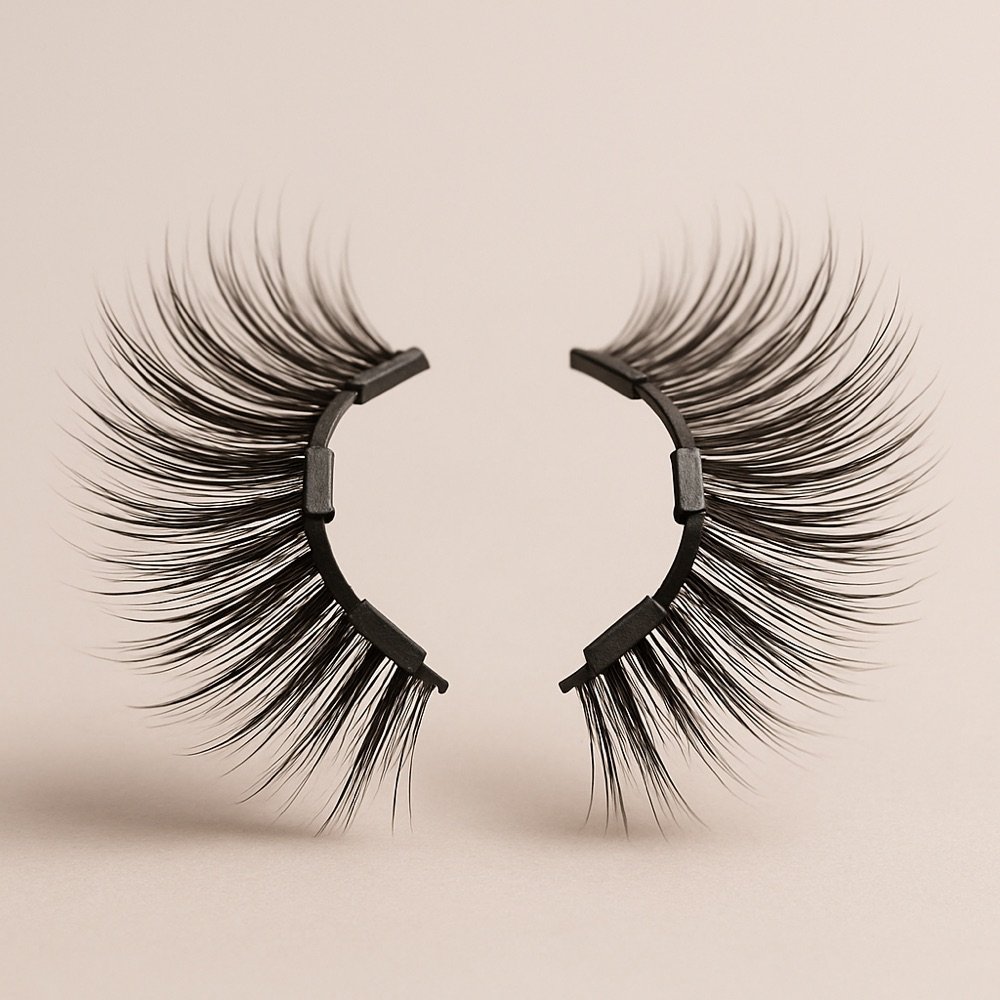
- Place the top strip along the top of your natural lash line, holding it in position.
- Bring the bottom strip up from underneath your natural lashes until the magnets pull the two strips together.
- Adjust both strips together, since they'll move as one unit once magnetically joined.
This method takes some practice to get your natural lashes properly sandwiched between the two bands, so don't be discouraged if the first few tries take longer than expected.
Browse our recommended products
Our featured picks refresh periodically. While we update them, our editorial guides can help you find the right pick.
See our guidesHonest limitations to expect
Magnetic lashes are not a universal upgrade over glue-based lashes, and it's worth knowing the trade-offs. Magnetic bands add a small amount of weight and thickness compared to a thin glue line, which some wearers notice more than others. Strong rubbing, humidity, or water exposure can also affect hold differently than adhesive does, and we don't make specific claims about performance in wet conditions or all-day wear time, since results vary by product and individual. If you wear glasses, magnetic bands can occasionally interact with how comfortably the frame sits -- our note on lashes for glasses wearers will expand on this as our guide library grows.
Troubleshooting common issues
A few issues come up often enough for first-time magnetic lash wearers that they're worth addressing directly. If a magnetic liner lash won't stay attached, the most common cause is applying the lash band before the liner has fully dried -- wet liner doesn't hold a magnetic charge the way a fully set line does. If sandwich-style lashes feel like they're pinching, the two bands are likely clamping too much natural lash between them; try repositioning with fewer natural lashes caught in the middle.
If the magnets feel weaker than expected over time, check whether makeup residue has built up on the magnets themselves, since a layer of product between two magnets reduces how strongly they attract. A gentle wipe of the magnetic segments, not just the fiber, usually restores most of the original hold.
Care and reuse
Because there's no adhesive to clean off after most wears, magnetic lashes are often simpler to maintain than glue-based styles -- a gentle wipe to remove makeup residue is usually enough. Store them in a case that keeps the magnets from bending the band, since a warped band can throw off how the two sides align. See our general lash cleaning and reuse guide for care steps that also apply to magnetic styles.
Who tends to like magnetic lashes most
Magnetic lashes tend to appeal most to shoppers who want to avoid lash glue specifically -- whether due to sensitivity concerns, a dislike of the application process, or simply wanting a faster daily routine once the initial learning curve is behind them. They can be a good fit for repeat, everyday wear, since there's no adhesive residue to clean between uses. They may suit occasional or special-occasion wearers less well, since the upfront learning curve doesn't pay off as quickly if the product only comes out a few times a year.
Browse our recommended products
Our featured picks refresh periodically. While we update them, our editorial guides can help you find the right pick.
See our guidesCost considerations for magnetic systems
Magnetic lash sets, particularly magnetic liner lashes, sometimes cost more upfront than a comparable strip lash and adhesive combination, since you're purchasing a specialized liner in addition to the lash band itself. Whether that additional cost is worthwhile depends on how often you expect to wear them and how much you value skipping the glue-application step. For frequent wearers, the reduced cleanup time between applications can offset the higher initial price over repeated use.
Combining magnetic lashes with the rest of your makeup
Because magnetic liner lashes require a fully dry liner base, it's generally easiest to complete the rest of your eye makeup -- eyeshadow, base liner shades -- before applying the magnetic liner and lash. Trying to blend eyeshadow after the lash is already attached risks dislodging the band or getting product on the fibers. Sandwich-style magnetic lashes are more flexible on ordering, since there's no liner step to time around, though applying mascara before the lash band is still generally the easier sequence.
Switching from glue-based lashes to magnetic
If you're an experienced glue-based lash wearer trying magnetic lashes for the first time, expect the technique to feel different enough that your existing muscle memory won't fully transfer. The biggest adjustment is usually patience with the liner-drying step for magnetic liner systems, since glue-based habits often involve moving quickly once adhesive is tacky, while magnetic liner needs to be fully set, not just tacky, before the band will hold well. Sandwich-style systems require a different adjustment: learning to feel where your natural lashes sit between the two bands rather than watching a visible adhesive line.
Final thoughts before you buy
Magnetic lashes are a genuine alternative to glue, not a strictly superior replacement for it -- the right choice depends on your priorities around convenience, comfort, and how often you plan to wear false lashes. If you're unsure, a lower-cost magnetic starter set is a reasonable way to test whether the system suits your routine before investing further.
As with any new false-lash format, expect your first few attempts to take longer than later ones, and don't judge the entire system based on a single rushed try.
If you decide magnetic lashes aren't the right fit after trying them, the glue-based formats covered in our buying guide remain a well-established, widely available alternative with their own trade-offs.
Whichever system you land on, the fundamentals of good false-lash wear -- clean lids, patient application, and gentle removal -- stay the same across formats.
Give yourself permission to be a beginner with this format even if you're experienced with glue-based lashes elsewhere; the underlying skill is genuinely different, and treating it that way will get you comfortable faster than expecting instant familiarity.